Comprehensive Guide to Easy Asian Food Recipes
I. Introduction
In our fast-paced world, the allure of vibrant, flavorful Asian cuisine is undeniable. From the savory depth of soy sauce to the zesty kick of ginger, these dishes have captured the hearts (and stomachs) of food lovers everywhere. But why settle for takeout when you can whip up fresh, healthy, and incredibly satisfying meals right in your own kitchen? Our mission today is to demystify Asian cooking and prove that preparing your favorite dishes doesn’t require a culinary degree or hours of toil. Get ready to discover a treasure trove of Easy Asian Food Recipes that will transform your weeknights.
This comprehensive guide is your passport to mastering the art of quick, authentic Asian flavors at home. We’ll walk you through the essential Asian pantry staples, introduce you to some beginner-friendly equipment, and dive into a hero recipe for a show-stopping beef stir-fry that tastes even better than what you’d get from your favorite restaurant. Prepare to enjoy healthy Asian meals and impress your friends and family with delicious quick Asian dinner ideas, all crafted in under 30 minutes!
II. The Secret to “Easy” Asian Cooking
What makes Asian cooking, particularly stir-frying, seem intimidating to some, but incredibly simple to others? It’s all about understanding a few core principles. Master these, and you’ll unlock a world of stress-free culinary joy.
Mise en Place: Your Culinary Superpower
The French term “mise en place” simply means “everything in its place.” In the context of Asian cooking, especially stir-fries, this is not just a suggestion – it’s a golden rule. Stir-frying is lightning fast, leaving no time for chopping or searching once the heat is on. Prepare all your ingredients – chop your vegetables, slice your meat, mix your sauce – *before* you even turn on the stove. This simple act reduces cooking stress and ensures a smooth, successful experience, making it perfect for beginner Asian cooking.
High Heat Cooking: The Essence of Wok Hei
The signature smoky, intensely flavorful taste of restaurant stir-fries is often attributed to “wok hei,” or the “breath of the wok.” This unique flavor is achieved through extremely high heat cooking. While a traditional wok is ideal, you don’t necessarily need one to get fantastic results. A large, heavy-bottomed skillet or a cast-iron pan heated to a high temperature can replicate much of this effect, creating those beautifully seared edges and vibrant vegetables. This is one of the key simple stir-fry techniques.
Velveting Meat: For Unbelievable Tenderness
Ever wonder why the beef in your favorite stir-fry is so incredibly tender? The secret is a technique called velveting. This involves coating thinly sliced meat (like our hero beef) in a mixture of cornstarch, sometimes a touch of baking soda, and a liquid like soy sauce or water, before cooking. The cornstarch creates a protective barrier, keeping the meat moist, while the baking soda tenderizes the fibers. The result? Juicy, melt-in-your-mouth beef that elevates your dish to restaurant quality.
III. Essential Asian Pantry Staples
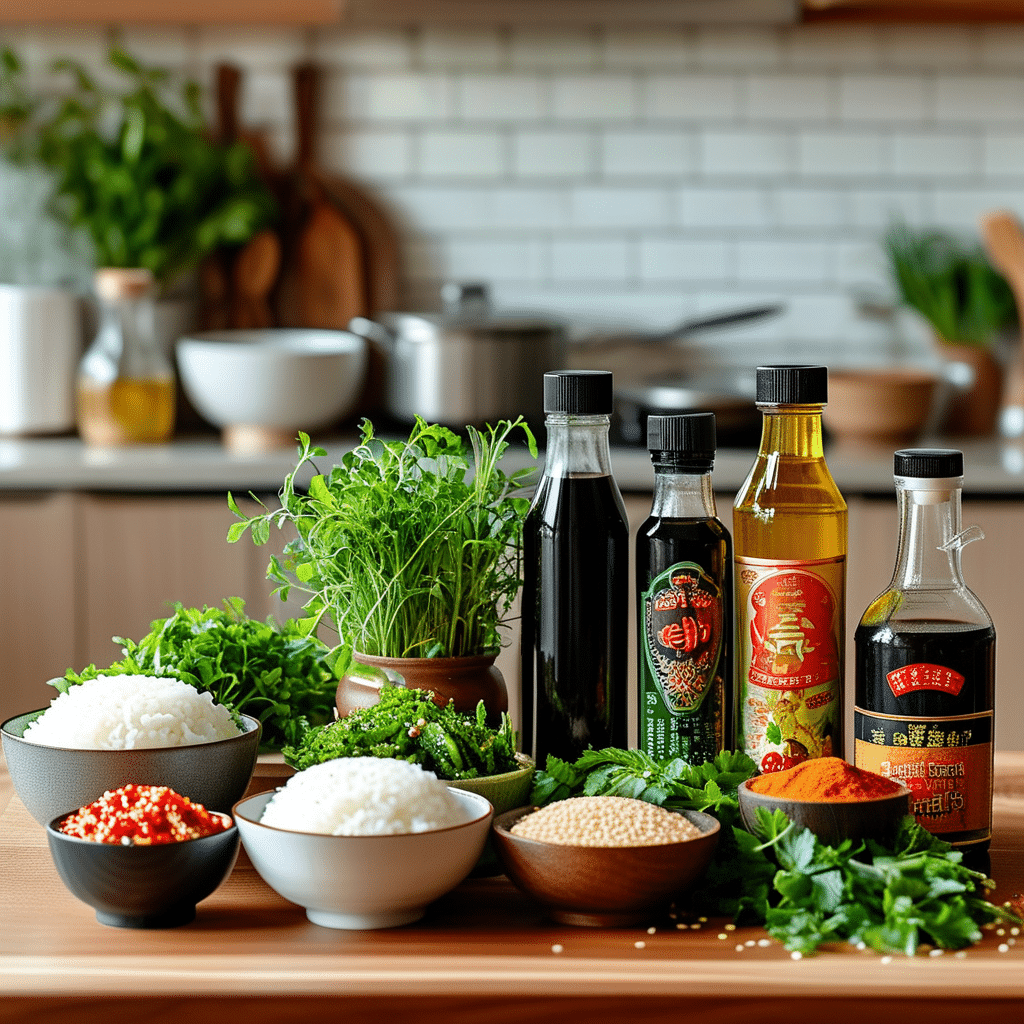
Building a well-stocked pantry is the first step towards effortlessly creating authentic Asian flavors at home. You don’t need dozens of obscure ingredients; a few key items will open up a world of possibilities.
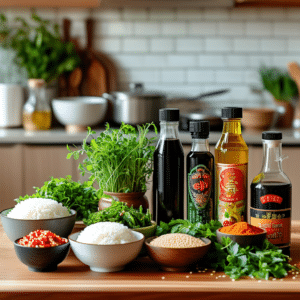
Soy Sauce: The Foundation of Flavor
- Light Soy Sauce: This is your everyday, all-purpose soy sauce, used for its umami depth and savory flavor.
- Dark Soy Sauce: Thicker, slightly sweeter, and primarily used for its rich color rather than intense saltiness. A little goes a long way in giving your dishes that appealing dark hue.
Aromatics: The Holy Trinity
These three fresh ingredients are the backbone of countless Asian dishes:
- Fresh Ginger: Adds a pungent, peppery, and slightly sweet warmth.
- Garlic: Pungent and aromatic, a universal flavor enhancer.
- Scallions (Green Onions): Offers a mild oniony bite, often used as a garnish and a foundational flavor.
Oils: For Cooking and Finishing
- Neutral Oils (Vegetable, Canola, Grapeseed): High smoke point oils perfect for high-heat cooking like stir-frying.
- Toasted Sesame Oil: A finishing oil, used in small amounts at the end of cooking or in dressings for its intense nutty aroma.
Acids & Sweeteners: Balancing the Palate
- Rice Vinegar: Mildly acidic, it brightens dishes and cuts through richness.
- Brown Sugar (or Mirin): Provides sweetness to balance the salty and acidic elements in sauces, creating a harmonious flavor profile. Mirin, a sweet rice wine, also adds a lovely sheen and depth.
“With just a handful of Asian pantry staples, you can create an endless array of delicious, balanced meals. It’s about understanding the synergy of sweet, sour, salty, and umami.”
IV. Equipment Basics for Beginners
While fancy gadgets can be fun, you truly don’t need much to start your journey into easy Asian food recipes. Here are the essentials:
The Wok: Do You Really Need One?
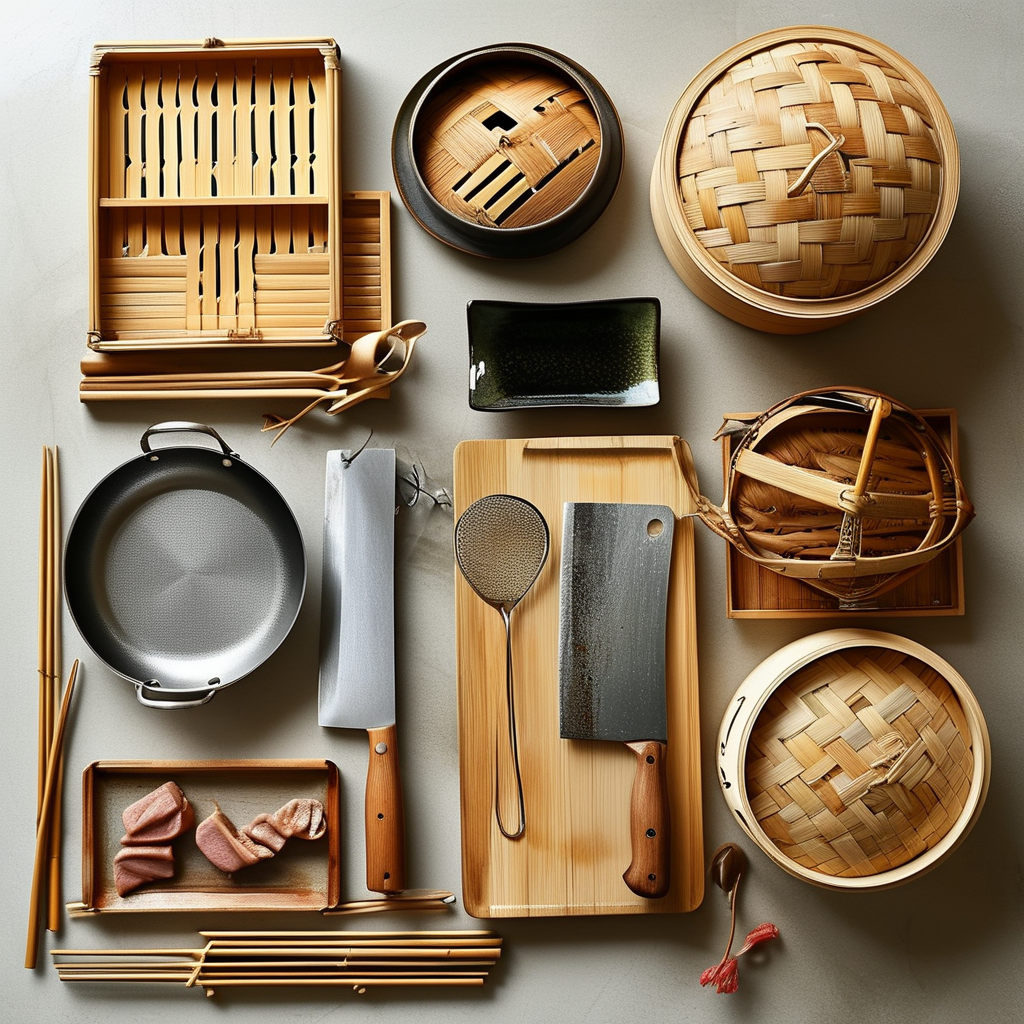
Ideally, yes! A wok’s sloped sides and single heat source create distinct hot and cooler zones, perfect for quick stir-frying, tossing, and even deep-frying. However, if you’re just starting out, a large, heavy-bottomed non-stick skillet or a cast-iron pan will work beautifully for most stir-fries. Just ensure it’s spacious enough to prevent overcrowding, which can steam your ingredients instead of searing them.
Rice Cooker: A Game-Changer for Perfect Rice
For consistently fluffy, perfectly cooked rice with minimal effort, a rice cooker is an invaluable investment. Simply add rice and water, press a button, and walk away. No more burnt bottoms or gummy grains!
Utensils: Simple Tools for Success
- Wooden Spatula or Stir-Fry Spatula: Ideal for tossing ingredients in a hot wok or skillet without scratching surfaces.
- Spider Strainer: Excellent for quickly removing items from hot oil or blanching vegetables.
V. Hero Recipe: Better-Than-Takeout Beef Stir-Fry
This easy beef stir-fry isn’t just a recipe; it’s a masterclass in applying all the “easy cooking” principles we’ve discussed. It’s packed with tender beef, crisp-tender vegetables, and coated in a savory, glossy sauce. This dish perfectly balances protein, fresh vegetables, and incredible flavor, making it one of the best 30-minute Asian recipes you can add to your repertoire.
Better-Than-Takeout Beef Stir-Fry: Step-by-Step Guide
Here’s how to create this culinary masterpiece:
- Prep Your Beef: Thinly slice about 1 pound of flank or sirloin steak against the grain. Marinate with a tablespoon of soy sauce, a teaspoon of cornstarch, and a pinch of baking soda for at least 15 minutes. This is our velveting technique in action!
- Chop Your Veggies: Prepare your favorite stir-fry vegetables. Broccoli florets, sliced bell peppers, snap peas, carrots, and mushrooms work wonderfully. Aim for uniform sizes for even cooking.
- Whisk Your Sauce: In a small bowl, combine ¼ cup light soy sauce, 2 tablespoons rice vinegar, 2 tablespoons brown sugar, 1 tablespoon cornstarch, and ¼ cup water or beef broth. Whisk until smooth.
- Heat the Wok/Skillet: Heat 1-2 tablespoons of neutral oil in your wok or large skillet over high heat until shimmering and just smoking. This is crucial for that “wok hei.”
- Cook the Beef: Add the marinated beef in a single layer and cook undisturbed for 1-2 minutes until beautifully seared. Flip and cook for another minute. Remove the beef from the pan and set aside. Avoid overcrowding the pan; cook in batches if necessary.
- Stir-Fry Aromatics: Add another tablespoon of oil if needed, then toss in minced ginger and garlic. Stir-fry for about 30 seconds until fragrant.
- Add Vegetables: Introduce your harder vegetables (like broccoli and carrots) first, stir-frying for 2-3 minutes. Then add softer vegetables (like bell peppers and snap peas) and cook for another 1-2 minutes until crisp-tender.
- Combine & Sauce: Return the cooked beef to the pan with the vegetables. Give your prepared sauce a quick whisk (as cornstarch settles) and pour it over everything. Stir continuously until the sauce thickens and coats all the ingredients in a beautiful, glossy sheen.
- Serve: Garnish with sliced scallions and a drizzle of toasted sesame oil. Serve immediately over fluffy white rice or noodles.
VI. Variations and Dietary Swaps
One of the beauties of easy Asian food recipes is their incredible adaptability. Don’t be afraid to customize your stir-fry!
Vegetarian: Plant-Powered Perfection
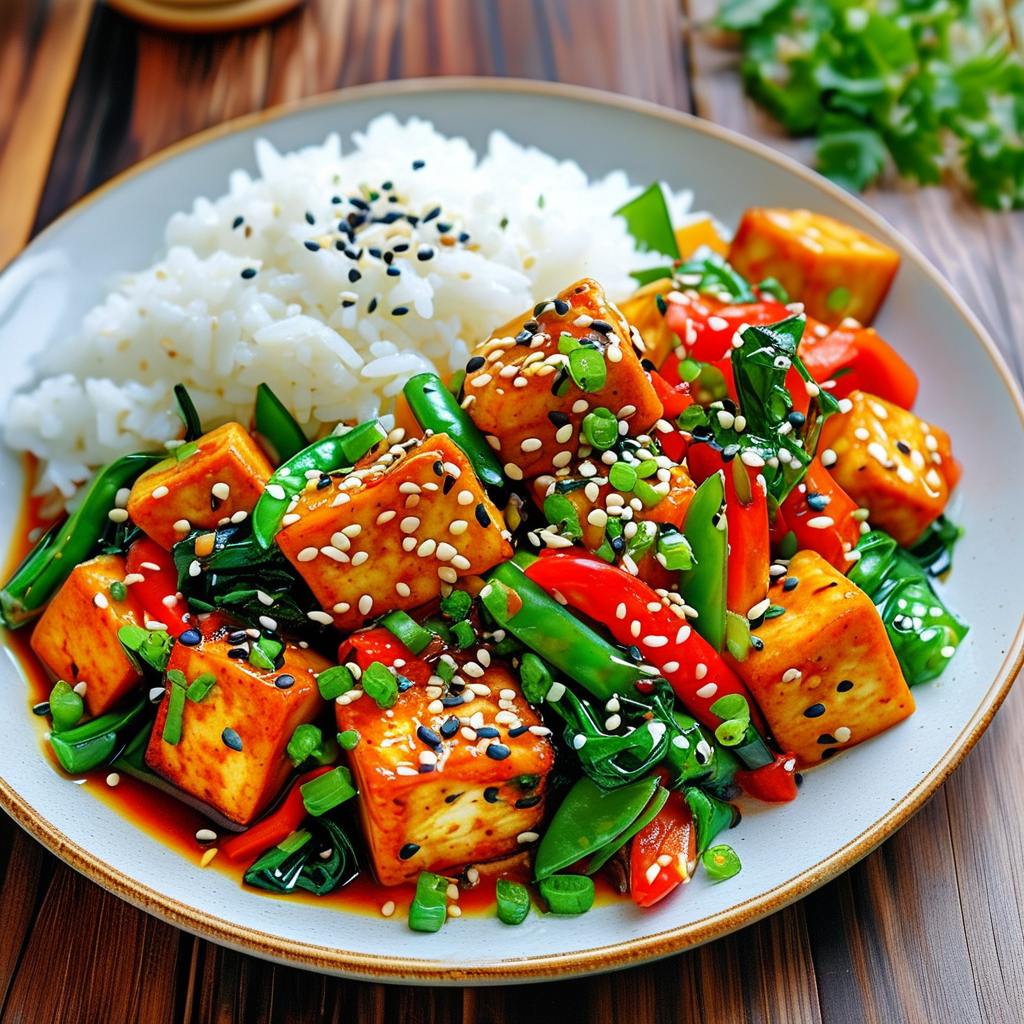
Easily transform this beef stir-fry into a delightful vegetarian meal. Simply swap the beef for firm or extra-firm tofu (pressed and cubed), tempeh, or even a medley of mushrooms like shiitake and cremini. Ensure your tofu is well-drained and seared until golden for the best texture.
Gluten-Free: No Compromise on Flavor
For a gluten-free version, the main substitution you’ll need is your soy sauce. Use Tamari, which is a gluten-free Japanese soy sauce, or Coconut Aminos for a soy-free, gluten-free alternative. Check all other sauce ingredients to ensure they are also gluten-free.
Spice Level: Turn Up the Heat!
If you like a kick, add a teaspoon or two of chili garlic sauce (Sambal Oelek) or Sriracha to your sauce mixture. For a milder, fragrant heat, a pinch of dried chili flakes added with the aromatics works wonders.
VII. 5 More Easy Asian Recipe Ideas
Once you’ve mastered the stir-fry, you’ll be ready to explore even more easy Asian food recipes!
Fried Rice: The Ultimate Leftover Revival
Transform leftover day-old rice into a delicious meal. Sauté aromatics, add your choice of protein (chicken, shrimp, or beef), mixed vegetables, and then the cold rice. Finish with a splash of soy sauce and a scrambled egg for a quick and satisfying meal. It’s the quintessential quick Asian dinner idea.
Asian Noodle Bowls: Instant Comfort
Elevate instant ramen noodles by adding fresh toppings like thinly sliced chicken or beef, soft-boiled eggs, sautéed mushrooms, bok choy, and plenty of scallions. A splash of soy sauce, a drizzle of sesame oil, and a squeeze of lime can turn a simple packet into a gourmet experience.
Dumplings: Store-Bought Wrappers for Speed
Don’t be intimidated by homemade wrappers! Use store-bought round dumpling or gyoza wrappers for a speedy assembly. Fill them with a simple mixture of ground beef, cabbage, ginger, and soy sauce. Pan-fry until golden and steamed through for a delightful appetizer or light meal.
Steamed Fish: Light and Lemony
Steaming white fish (like cod or tilapia) with fresh ginger slices, scallions, and a drizzle of soy sauce and sesame oil is incredibly healthy and flavorful. It’s a delicate and elegant dish that comes together in minutes, embodying healthy Asian meals.
Quick Pickles: Smashed Cucumber Salad
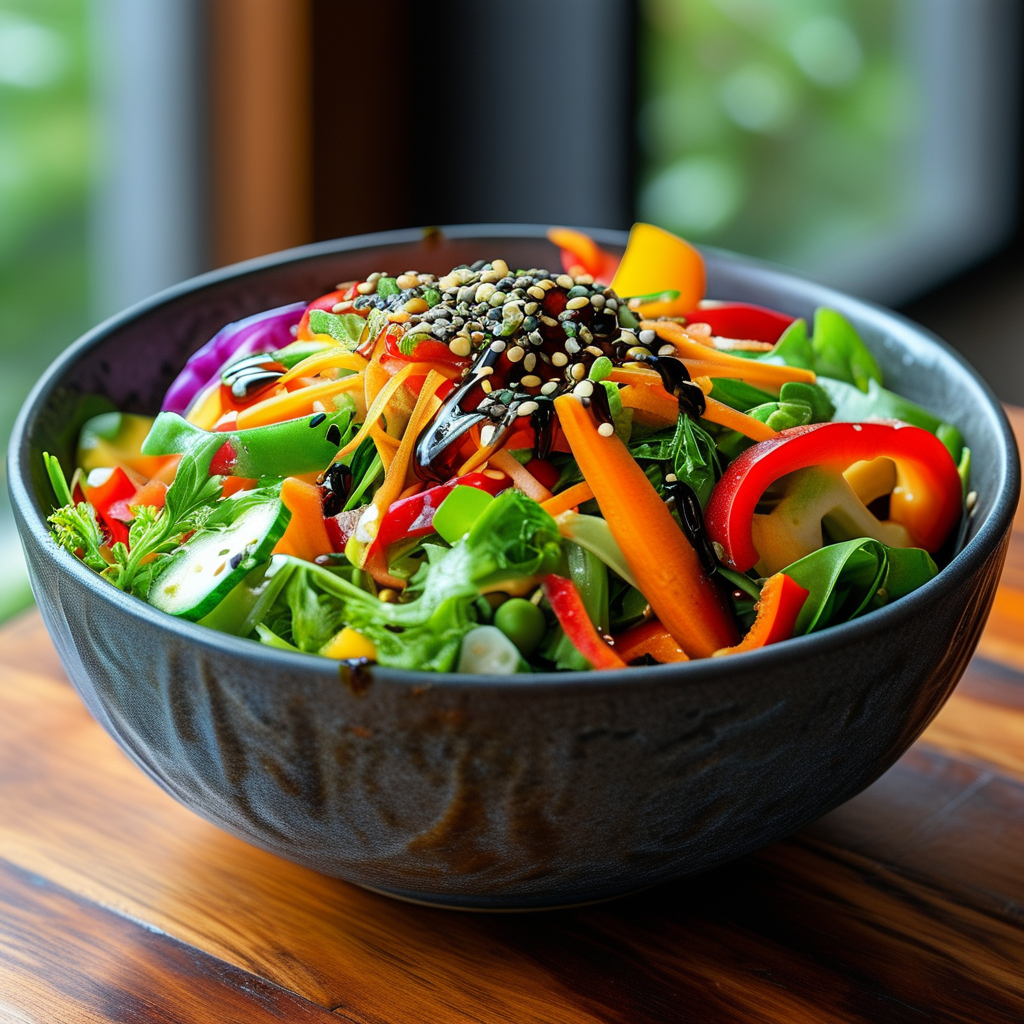
A refreshing side dish that requires minimal effort. Smash cucumbers to break their fibers, then toss them with rice vinegar, minced garlic, a pinch of sugar, and a dash of sesame oil. It’s a crunchy, tangy palate cleanser perfect alongside richer dishes.
VIII. Conclusion
As you can see, the world of easy Asian food recipes is incredibly accessible and rewarding. By understanding a few core techniques, stocking up on essential Asian pantry staples, and embracing the magic of “mise en place,” you can create restaurant-quality meals in your home with remarkable ease. Forget the takeout menus; the most delicious, healthy, and satisfying Asian food is waiting to be made by you.
Start with our Better-Than-Takeout Beef Stir-Fry, experiment with your favorite vegetables, and slowly expand your pantry. Before you know it, you’ll be a confident Asian home cook, effortlessly whipping up quick Asian dinner ideas and enjoying the incredible flavors you’ve created. We’d love to see your culinary creations! Share your delicious dishes on social media and tag us – happy cooking!
Better-Than-Takeout Beef Stir-Fry
Ingredients
- 1 lb Beef flank steak Thinly sliced against the grain
- 2 tbsp Cornstarch Divided use for velveting and sauce thickening
- 1/4 cup Low-sodium soy sauce Base of the sauce
- 1 tbsp Brown sugar Adds caramelization and balances salt
- 1 tsp Fresh ginger Grated or finely minced
- 2 cloves Garlic Minced
- 2 cups Broccoli florets Fresh or thawed frozen
- 1 medium Red bell pepper Sliced into strips
- 2 tbsp Vegetable oil For high-heat searing
- 1 tsp Sesame oil For finishing flavor
Instructions
- In a bowl, toss the sliced beef with 1 tablespoon of cornstarch to coat evenly (velveting). Let it sit while you prepare the sauce.
- Whisk together the soy sauce, brown sugar, grated ginger, minced garlic, sesame oil, and the remaining 1 tablespoon of cornstarch in a small bowl until smooth.
- Heat the vegetable oil in a large wok or skillet over high heat until shimmering.
- Add the beef strips in a single layer and sear for 2-3 minutes until browned. Remove the beef from the pan and set aside.
- In the same pan, stir-fry the broccoli and red bell pepper for 3-4 minutes until they are tender-crisp.
- Return the beef to the pan and pour the sauce mixture over everything.
- Toss everything together for 1-2 minutes until the sauce thickens and coats the beef and vegetables efficiently.
- Serve immediately over steamed rice.
For more daily recipes and tips, follow us on Facebook!
Click here to join our community!