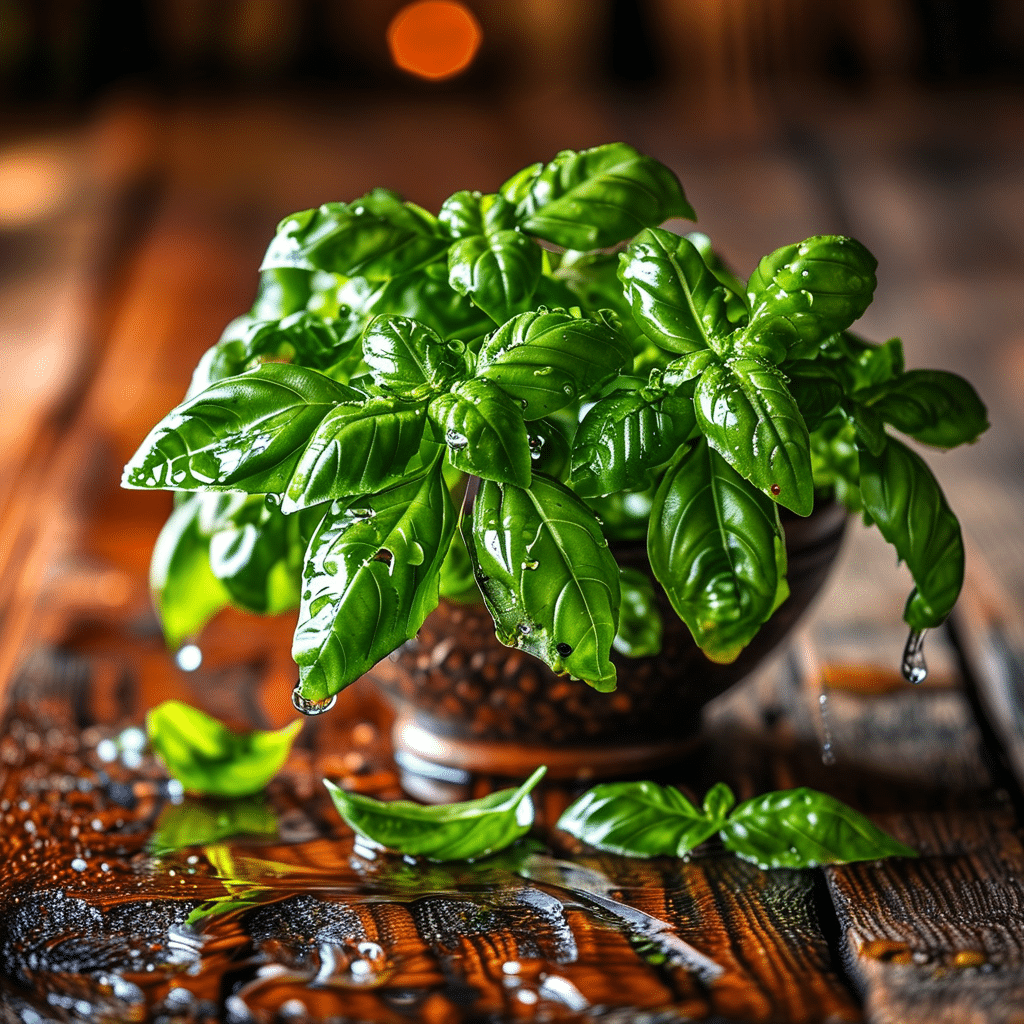
Fresh Basil Recipes: The Ultimate Guide to Cooking, Storing, and Growing
There are few aromas as invigorating and tantalizing as that of fresh basil. This fragrant herb is a culinary superstar, celebrated across diverse cuisines for its vibrant flavor and versatility. From the sun-drenched hills of Italy where it transforms into luscious pesto, to the bustling street food stalls of Thailand where it adds a peppery kick to stir-fries, basil truly holds a special place in global kitchens. If you’re looking to elevate your everyday meals, embracing fresh basil recipes is a fantastic starting point. It’s more than just a garnish; it’s an ingredient that brings depth, brightness, and a touch of summer to every dish.
Beyond its incredible taste, fresh basil also packs a nutritional punch, enhancing both the flavor and the health profile of your cooking. Whether you’re a seasoned chef or a home cook looking to explore new ingredients, understanding how to best utilize, preserve, and even grow this magnificent herb will unlock a world of delicious possibilities. Get ready to dive deep into the world of basil, where we’ll uncover its hidden health benefits, ingenious storage hacks, and, of course, a plethora of mouth-watering recipes.
The Nutritional Powerhouse: Health Benefits of Basil
While often celebrated for its flavor, the basil health benefits are truly remarkable, making it a valuable addition to your diet. This unassuming herb is packed with compounds that contribute to overall well-being.
- Antioxidant Rich: Fresh basil leaves are brimming with powerful antioxidants like orientin and vicenin, which play a crucial role in protecting your body’s cells from damage caused by free radicals. This contributes to combating oxidative stress and inflammation, supporting long-term health.
- Vitamin Profile: Basil is an excellent source of essential vitamins. It’s particularly high in Vitamin K, which is vital for blood clotting and bone health. It also provides significant amounts of Vitamin A, crucial for vision and immune function, and Vitamin C, another potent antioxidant that supports immunity and skin health.
- Gut Health: The essential oils found in basil, such as eugenol, linalool, and citronellol, are not just responsible for its intoxicating aroma but also possess anti-inflammatory and antimicrobial properties. These can aid digestion and promote a healthy balance of gut flora, contributing to overall digestive wellness.
- Natural Adaptogen: Some varieties of basil, particularly holy basil (tulsi), are renowned as adaptogens, meaning they help the body adapt to stress and promote balance. While Genovese basil, commonly used in cooking, might not be as potent as tulsi, its calming aroma and nutrients can still offer potential benefits for stress reduction and mental well-being.
Essential Tips for Storing Fresh Basil
To truly enjoy the peak flavor of your basil, proper storage is key. Wilting or browning leaves can quickly diminish its appeal. Here are the best methods for storing fresh basil, ensuring it stays vibrant and fragrant for as long as possible:
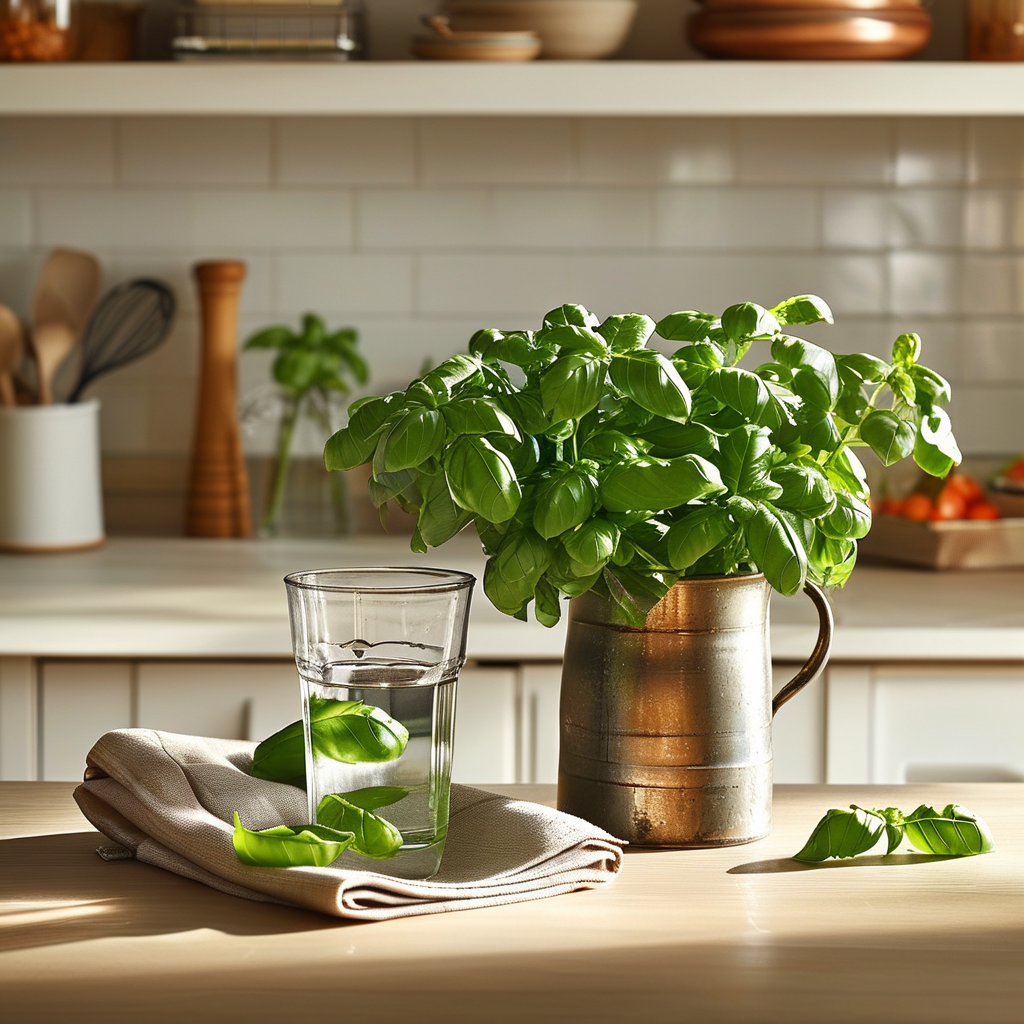
The Bouquet Method: Keeping Stems in Water at Room Temperature
This is often considered the gold standard for short-term storage of basil with stems. Treat your basil like a bouquet of flowers:
- Trim the bottom of the stems.
- Place the basil stems in a jar or glass with about an inch of fresh water.
- Cover the leaves loosely with a plastic bag (a sandwich bag works well) to create a humid environment.
- Keep the jar on your counter at room temperature, away from direct sunlight. Avoid placing live basil stems in the refrigerator, as the cold can cause the leaves to blacken.
- Change the water daily. This method can keep basil fresh for up to a week.
The Paper Towel Trick: Wrapping Leaves for Short-Term Refrigerator Storage
If you have detached leaves or need to store basil for a few days without stems, the refrigerator can be an option, but with caution:
- Wash the basil leaves gently and dry them thoroughly using a salad spinner or by patting them with paper towels. Excess moisture can lead to spoilage.
- Wrap the dry leaves loosely in a slightly damp paper towel.
- Place the wrapped leaves in an airtight container or a resealable plastic bag.
- Store in the crisper drawer of your refrigerator. This method is suitable for 3-5 days.
Freezing for Later: Preserving Basil’s Freshness
For longer-term preservation, freezing is an excellent way to capture basil’s essence, perfect for soups, sauces, or winter pesto. There are a couple of popular techniques for freezing basil cubes:
- Blanching Leaves to Retain Color:
- Bring a pot of water to a boil, then prepare an ice bath.
- Submerge basil leaves in boiling water for 5-10 seconds, then immediately transfer to the ice bath to stop the cooking process.
- Drain well and pat very dry. This step helps preserve their vibrant green color.
- Freezing in Ice Cube Trays with Olive Oil or Water:
- Finely chop the blanched (or unblanched, though color might fade) basil leaves.
- Pack the chopped basil into ice cube trays.
- Pour a small amount of good quality olive oil or water over the basil in each compartment until covered.
- Freeze until solid, then transfer the basil cubes to an airtight freezer bag.
- These flavor bombs can be stored in the freezer for several months, ready to be dropped into your favorite dishes.
Top Fresh Basil Recipe Ideas
Basil’s versatility truly shines in the kitchen, offering a spectrum of flavors from sweet and delicate to peppery and robust. Here are some of the best fresh basil recipes that highlight its unique character:
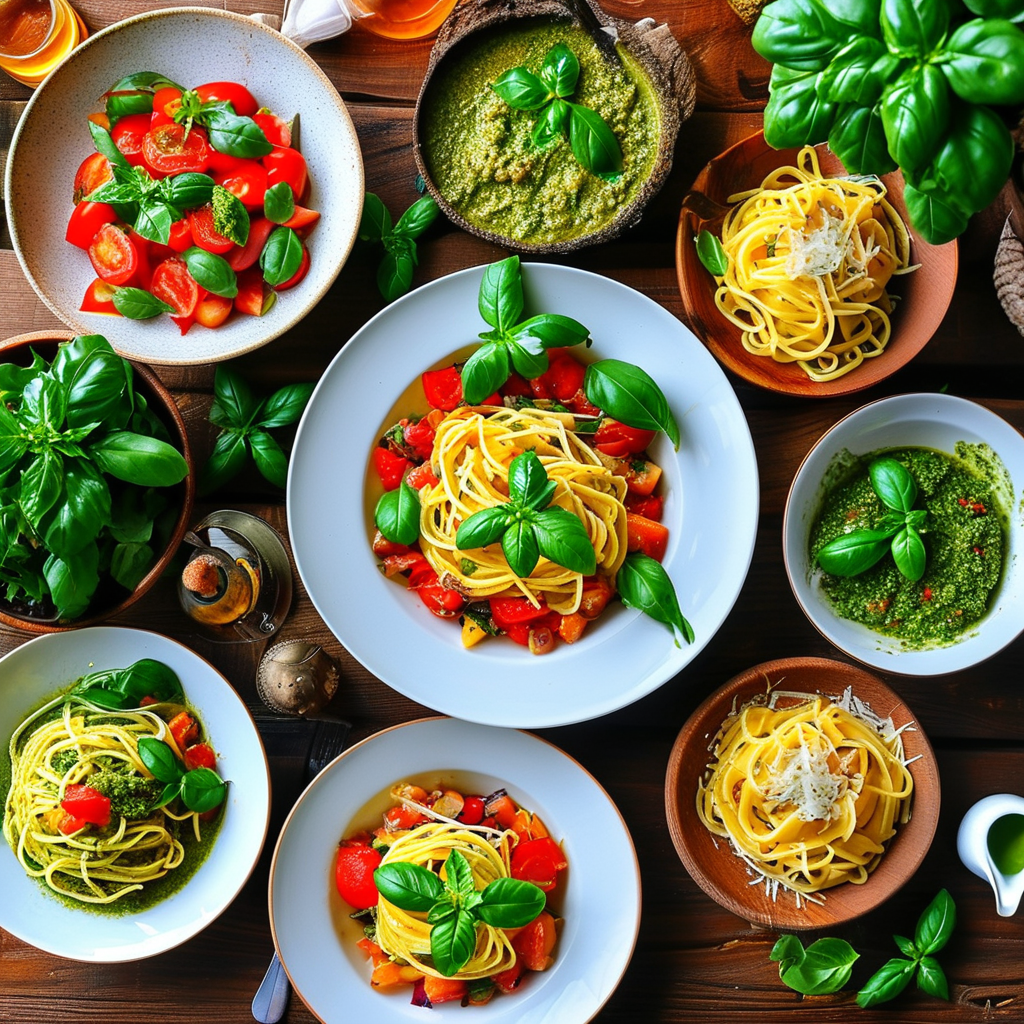
Classic Sauces: A Nod to Italian Tradition
- Traditional Genovese Pesto: We’ll deep-dive into this below, but it’s undoubtedly the quintessential way to celebrate Genovese basil uses. Its rich, aromatic profile is unmatched.
- Tomato Basil Sauce: A simple yet profound sauce, combining crushed tomatoes, garlic, and an abundance of fresh basil for pasta, pizza, or dipping.
Refreshing Drinks: A Surprising Twist
- Basil Lemonade: Muddle fresh basil leaves with lemon juice, sugar, and water for a herbaceous and incredibly refreshing summer drink.
- Gin Basil Smash: A sophisticated cocktail where basil adds an unexpected aromatic twist to gin, lemon juice, and simple syrup.
- Infused Water: Drop a few basil leaves, perhaps with some cucumber or berries, into your water pitcher for a subtly flavored, hydrating beverage.
Savory Mains: The Heart of the Meal
- Caprese Salad with Balsamic Glaze: A classic Italian appetizer or light meal featuring ripe tomatoes, fresh mozzarella, and whole basil leaves, all drizzled with a sweet and tangy balsamic glaze. It’s the epitome of summer herb cooking.
- Thai Basil Beef (Pad Krapow): A wonderfully savory and spicy stir-fry that is a cornerstone of Thai cuisine. Tender slices of beef are quickly cooked with fiery chilies, garlic, and a generous amount of fragrant Thai basil, served over jasmine rice. The peppery, slightly anise-like flavor of the Thai basil is essential here, providing a unique depth that transforms the dish into an unforgettable experience.
- Tomato Basil Soup: Comfort in a bowl. This creamy or chunky soup showcases the beautiful marriage of ripe tomatoes and fresh basil, perfect for a cozy evening.
Unexpected Desserts: A Sweet Surprise
Basil isn’t just for savory dishes; its subtle peppery and sweet notes can add an intriguing layer to desserts:
- Earl Grey & Basil Cookies: The floral notes of Earl Grey tea beautifully complement the herbaceous sweetness of basil in delicate shortbread cookies.
- Strawberry Basil Mousse: A light and airy mousse where the sweetness of strawberries is brightened by the fresh, almost citrusy hint of basil.
- Lemon Basil Tart: A zesty lemon curd filling with finely chopped basil leaves, baked in a buttery crust, offers a sophisticated and refreshing dessert.
How to Grow Your Own Supply
Imagine stepping into your garden or onto your patio and plucking fresh, fragrant basil leaves whenever inspiration strikes! Growing basil at home is surprisingly easy and incredibly rewarding, ensuring you always have a fresh supply for your fresh basil recipes.
Potting Basics: Drainage and Soil Requirements
- Containers: Basil thrives in pots or garden beds. If using pots, choose one with good drainage holes to prevent waterlogging.
- Soil: Use a high-quality potting mix that is well-draining and rich in organic matter. Basil prefers a slightly acidic to neutral pH (6.0-7.0).
- Spacing: If planting multiple basil plants, give them enough space (about 8-12 inches apart) to ensure good air circulation and root development.
Sunlight Needs: 6-8 Hours for Optimal Growth
Basil is a sun-loving plant. For robust growth and the most flavorful leaves, ensure your basil plant receives at least 6-8 hours of direct sunlight per day. A south-facing window or a sunny spot in your garden is ideal.
Watering and Harvesting Tips: Pruning for Bushier Growth
- Watering: Keep the soil consistently moist but not waterlogged. Water thoroughly when the top inch of soil feels dry to the touch. Avoid overhead watering, which can encourage fungal diseases.
- Harvesting: Begin harvesting leaves once the plant has grown at least 6 inches tall. The key to a bushy, productive basil plant is regular pruning. Instead of just picking individual leaves, pinch off stems just above a set of two leaves. This encourages the plant to branch out, producing more leaves rather than going to seed (bolting).
- Preventing Bolting: If you see flower buds forming, pinch them off immediately. Bolting often makes the leaves bitter.
Featured Recipe: Classic Fresh Basil Pesto
When it comes to homemade pesto sauce, there’s simply no comparison to the vibrant flavor and incredible aroma of a freshly made batch. It’s a testament to the power of a few simple, high-quality ingredients, with fresh Genovese basil uses taking center stage. Store-bought versions often lack the bright, peppery kick and the luscious texture that only homemade can provide.
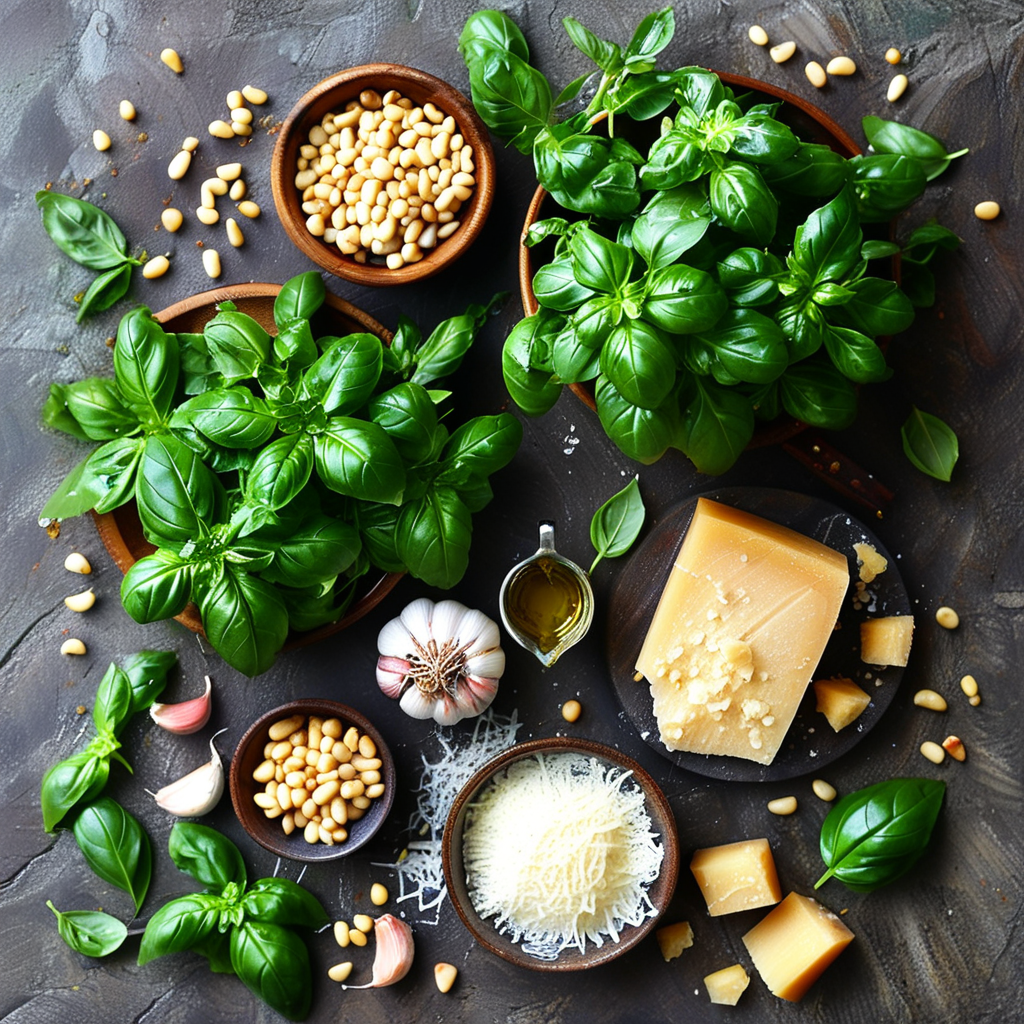
Why Homemade is Best
Beyond the superior taste, making your own pesto allows you to control the quality of ingredients, adjust flavors to your preference (more garlic? less salt?), and avoid unwanted preservatives. It’s truly a fresh experience that elevates any dish.
Key Ingredients for Authentic Pesto
For the most authentic and flavorful pesto, start with these essentials:
- Fresh Genovese Basil: About 2 cups, packed. Look for bright green, unblemished leaves.
- Pine Nuts: ¼ cup, lightly toasted for enhanced flavor.
- Parmesan Cheese: ½ cup, freshly grated. Opt for Parmigiano-Reggiano for the best quality.
- Garlic: 2-3 cloves, peeled. Adjust to your taste preference.
- Extra Virgin Olive Oil: ½ cup (or more, to achieve desired consistency). Use a good quality, fruity olive oil.
- Salt and Freshly Ground Black Pepper: To taste.
Instructions
- In a food processor, combine the basil, pine nuts, garlic, and Parmesan cheese. Pulse several times until roughly chopped.
- With the food processor running on low, slowly drizzle in the olive oil until a smooth, emulsified sauce forms. You might need to scrape down the sides occasionally.
- Season with salt and pepper to taste. If you prefer a thinner pesto, add a little more olive oil or even a tablespoon of water.
Serving Suggestions
The beauty of homemade pesto lies in its versatility. Here are just a few ideas:
- Toss with Pasta: The most classic way to enjoy it. Add a spoonful of pasta water to thin it slightly.
- Spread on Sandwiches or Wraps: A flavorful alternative to mayonnaise or mustard.
- Drizzle over Grilled Vegetables or Chicken: Adds an instant burst of fresh flavor.
- Dollop onto Soups: Especially delicious on a creamy tomato soup or minestrone.
- Use as a Pizza Base: A delightful change from traditional tomato sauce.
“Basil is not just an herb; it’s a culinary philosophy. Its vibrant spirit transforms the ordinary into the extraordinary, offering endless inspiration for any cook.”
Conclusion
From its profound health benefits to its incredible versatility in the kitchen, basil is truly a herb to celebrate. Whether you’re whipping up a batch of zingy homemade pesto sauce, experimenting with a fragrant Thai Basil Beef stir-fry, or simply enjoying the crisp freshness of a Caprese salad, fresh basil recipes bring an unmistakable zest to your table. We’ve explored the best methods for storing fresh basil, even teaching you how to make convenient freezing basil cubes, ensuring its delightful flavor is available year-round. And for those with a green thumb, the joy of growing basil at home is an experience that connects you directly to the source of this magnificent ingredient.
So, why not start your own herb garden today, or perhaps gather your ingredients to try that classic pesto recipe tonight? Let the invigorating aroma and unparalleled taste of fresh basil inspire your next culinary adventure. Your taste buds, and your health, will thank you.
Classic Fresh Basil Pesto
Ingredients
- 2 cups fresh basil leaves packed tightly, stems removed
- 1/3 cup pine nuts can substitute with walnuts for a lower cost option
- 3 cloves garlic peeled
- 1/2 cup Parmesan cheese freshly grated
- 1/2 cup extra virgin olive oil plus more for sealing
- 1/4 tsp salt to taste
- 1 tsp lemon juice optional, helps maintain bright green color
Instructions
- Place the pine nuts in a small dry skillet over medium-low heat. Toast them, stirring frequently, until golden brown and fragrant, about 3-5 minutes. Let them cool completely.
- In a food processor, combine the cooled pine nuts, garlic, and fresh basil leaves. Pulse several times until the ingredients are coarsely chopped.
- Add the grated Parmesan cheese and pulse again to combine.
- With the food processor running on low speed, slowly stream in the extra virgin olive oil until the mixture is smooth and emulsified.
- Stop the processor and scrape down the sides. Add the salt and optional lemon juice. Pulse once more to blend.
- Taste and adjust seasoning if necessary. Use immediately or store in a jar with a thin layer of olive oil on top to prevent browning.
For more daily recipes and tips, follow us on Facebook!
Click here to join our community!