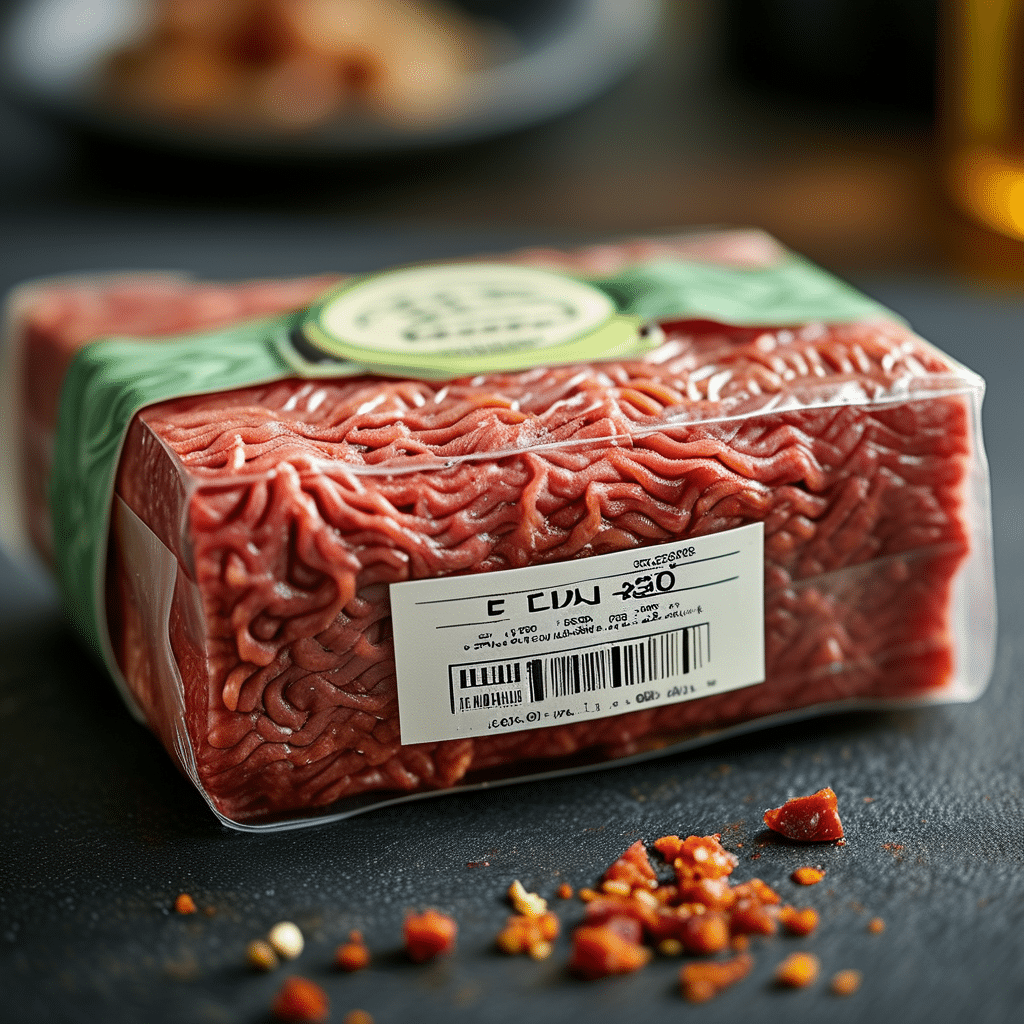
As a passionate home cook and advocate for food safety, few things are as unsettling as hearing about a ground beef recall. When a product essential to so many family meals is deemed unsafe, it raises immediate concerns about our health and the food we bring into our kitchens. Understanding Ground Beef Recall Safety isn’t just about avoiding a bad meal; it’s about protecting your loved ones from potentially severe foodborne illnesses. From identifying affected products to mastering safe handling practices, this comprehensive guide will equip you with the knowledge to navigate recalls with confidence and keep your kitchen a safe haven.
What is a Ground Beef Recall?
At its core, a ground beef recall is an official directive for the removal of potentially unsafe meat products from the market. This critical measure is designed to protect public health by preventing consumers from purchasing or consuming items that could cause illness or injury. These recalls are typically initiated by the producer, distributor, or mandated by regulatory bodies like the USDA Food Safety and Inspection Service (FSIS) once a risk is identified.
Recall Classifications
Recalls are categorized based on the severity of the potential health risk. This classification system helps both the public and retailers understand the urgency and gravity of a given recall:
- Class I Recall: This is the most serious type of recall, indicating a high probability that using or consuming the product will cause serious adverse health consequences or even death. A prime example is contamination with harmful pathogens like E. coli O157:H7, which can lead to life-threatening conditions. When you see a USDA Class I Recall, immediate action is paramount.
- Class II Recall: In this classification, there is a remote probability of adverse health consequences. This might include products with undeclared allergens that could affect sensitive individuals but are less likely to cause widespread severe illness.
- Class III Recall: This category is reserved for situations where the use of the product will not cause adverse health consequences. These often involve minor labeling errors or quality issues that don’t pose a direct health threat.
Common Triggers
Several factors can trigger a ground beef recall. The most common and concerning triggers include:
- Pathogen Contamination: This is often the most dangerous trigger, involving bacteria like E. coli, Salmonella, or Listeria. A Salmonella outbreak, for instance, can spread rapidly through contaminated ground beef if not identified quickly.
- Foreign Materials: Sometimes, unwanted objects like plastic pieces, metal fragments, or glass shards can inadvertently contaminate meat during processing, posing a physical hazard.
- Mislabeling and Undeclared Allergens: Incorrect labeling regarding ingredients or the omission of common allergens can also lead to recalls, especially for those with severe allergies.
Health Risks Associated with Recalled Beef
Consuming recalled ground beef can expose you to various pathogens, each with its own set of health risks. Understanding these dangers and their symptoms is crucial for early detection and seeking medical attention.
Primary Pathogens
- E. coli O157:H7: This is perhaps the most feared contaminant in ground beef. It can cause severe abdominal cramps, intense, often bloody diarrhea, and vomiting. In severe cases, especially in young children and the elderly, E. coli O157:H7 can lead to Hemolytic Uremic Syndrome (HUS), a type of kidney failure that can be life-threatening. The seriousness of E. coli O157:H7 symptoms cannot be overstated.
- Salmonella: A common culprit in foodborne illness, Salmonella infection typically manifests as fever, diarrhea (which may be bloody), and stomach pain. While most people recover without specific treatment, some cases can be severe, particularly in vulnerable populations.
- Listeria monocytogenes: Although less common in ground beef, Listeria is particularly dangerous for pregnant women, newborns, older adults, and individuals with weakened immune systems. Symptoms can include fever, muscle aches, headache, stiff neck, confusion, loss of balance, and convulsions. For pregnant women, Listeria infection can lead to miscarriage, stillbirth, premature delivery, or life-threatening infection of the newborn.
Symptoms Timeline
The onset of foodborne illness symptoms typically ranges from 1 to 10 days after consuming contaminated ground beef. However, this can vary significantly depending on the specific pathogen, the amount consumed, and individual health factors. It’s essential to monitor for symptoms after consuming any ground beef, especially if a recall is announced.
How to Identify Recalled Ground Beef
Being able to identify recalled ground beef quickly is your first line of defense. This involves paying close attention to packaging details and knowing where to find official information.
The USDA Mark of Inspection
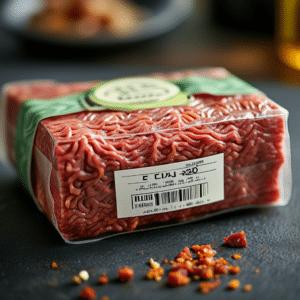
Every package of federally inspected meat product carries a circular or shield-shaped USDA mark of inspection. Within this mark, you’ll find the meat establishment number (often prefixed with “EST” or “P”). This number is unique to the facility where the meat was processed and is a critical piece of information for identifying recalled products, as recall notices often specify the establishment numbers involved.
Reading Product Labels
Don’t just glance at the front of the package. Take the time to scrutinize the label for specific identifiers:
- Checking “Use-By” or “Freeze-By” Dates: These dates indicate the recommended period for optimal quality and safety. Recalls often specify a range of production or “use-by” dates.
- Identifying Specific Lot Codes or Batch Numbers: Beyond dates, many recall notices will list specific lot codes, batch numbers, or production codes. These alphanumeric sequences allow producers to track specific batches of product, making it easier to pinpoint exactly which items are affected. Checking recall lot codes against official announcements is a non-negotiable step.
Official Sources
When a recall occurs, timely and accurate information is vital. Always refer to official sources:
- USDA FSIS Website: The U.S. Department of Agriculture’s Food Safety and Inspection Service (FSIS) website is the primary source for all meat, poultry, and egg product recalls. They issue regular FSIS public health alert announcements.
- FDA Recall Widgets: The Food and Drug Administration (FDA) also maintains a comprehensive recall database, which may include products containing beef components.
- Retailer Websites and In-Store Notices: Many grocery chains will post recall notices on their websites or at customer service desks.
Recent Ground Beef Recalls (2025-2026)
Staying informed about current and recent recalls is crucial. Let’s look at a hypothetical scenario to illustrate the process and impact of a USDA Class I Recall.
The Mountain West Food Group Incident (Dec 2025)
In December 2025, the USDA FSIS issued a Class I Recall for ground beef products produced by Mountain West Food Group. This recall was triggered after routine sampling identified contamination with E. coli O26, a Shiga toxin-producing E. coli (STEC) strain similar in severity to O157:H7. The recall included various weights of ground beef patties and bulk ground beef packages, all bearing specific “use-by” dates and establishment numbers.

Impact and Scope
The recalled beef products were distributed to retail locations in several Western states, including California, Colorado, Idaho, and Oregon. The widespread distribution underscored the potential for a significant public health risk, necessitating rapid dissemination of the FSIS public health alert. Consumers were urged to immediately check their refrigerators and freezers for the specified products.
Lessons Learned
This incident highlighted the critical importance of consumers checking all packaging details, particularly on vacuum-sealed ground beef, where lot codes can sometimes be less prominent. It also reinforced the need for swift action by both consumers and retailers to prevent widespread illness, emphasizing that even “different” E. coli strains can pose severe risks similar to E. coli O157:H7 symptoms.
Immediate Steps if You Possess Recalled Meat
If you discover that you have recalled ground beef in your possession, your immediate actions can significantly reduce your risk of illness. Follow these critical steps:
Do Not Consume
The most important rule is simple: Do Not Consume the recalled ground beef. Even if it looks, smells, or tastes normal, and even if it’s been frozen or thoroughly cooked, there is still a risk. Freezing does not kill harmful bacteria like E. coli, and while cooking to the proper temperature can reduce risk, the safest approach with recalled meat is to avoid consumption entirely.
Disposal Procedures
Proper disposal is essential to prevent accidental consumption by humans or animals. Double-bag the product in sealed plastic bags before placing it in the trash. This prevents curious pets or wildlife from accessing it. Do not compost or flush recalled meat.
Returns and Refunds
While disposing of the meat is paramount, you are typically entitled to a refund. Keep any packaging, receipts, or other proof of purchase. Many retailers will offer a full refund even without the physical product, provided you have sufficient proof of purchase or can describe the product details. Contact the store where you bought the ground beef or refer to the recall notice for specific return instructions.
Sanitization
If the recalled ground beef was stored in your refrigerator or came into contact with any kitchen surfaces, thorough sanitization is critical to prevent cross-contamination. Clean refrigerator shelves, drawers, cutting boards, countertops, and utensils with hot, soapy water. For an added layer of safety, a diluted bleach solution (one tablespoon of unscented liquid bleach per gallon of water) can be used on non-porous surfaces, followed by rinsing and air drying.
Prevention: Cooking and Handling Safety
Beyond recall awareness, consistent safe cooking and handling practices are your best defense against foodborne illnesses from ground beef.
The 160°F (71°C) Rule
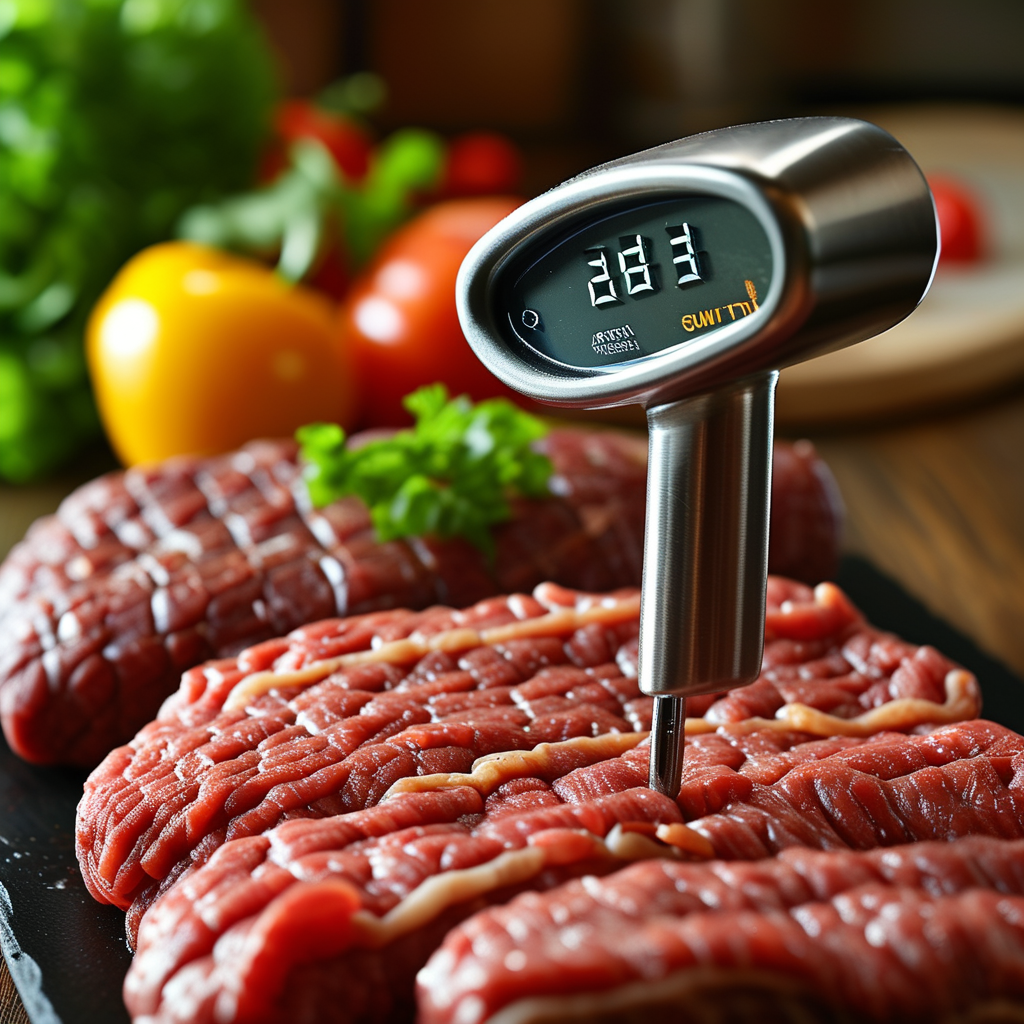
Ground beef must always be cooked to an internal temperature of 160°F (71°C). This temperature is sufficient to kill harmful bacteria like E. coli and Salmonella. It’s crucial to understand that color is not a reliable indicator of doneness. Ground beef can turn brown before reaching a safe temperature, or it can remain pink even when fully cooked. Relying solely on visual cues for safe internal temperature beef is a common mistake that can lead to significant health risks.
Thermometer Use
A digital meat thermometer is your most important tool for ensuring ground beef safety. For patties, insert the thermometer into the thickest part. For crumbles, stir and then insert the thermometer into the mixture. Always wash the thermometer after each use.
Cross-Contamination Prevention
Preventing cross-contamination is a cornerstone of foodborne illness prevention:
- Separate Surfaces: Use separate cutting boards, plates, and utensils for raw ground beef and other foods, especially produce that will be eaten raw.
- Proper Handwashing: Wash your hands thoroughly with soap and warm water for at least 20 seconds before and after handling raw meat.
- Clean as You Go: Wipe down countertops and clean utensils immediately after contact with raw ground beef.
Safe Thawing
Thawing ground beef safely is just as important as cooking it properly:
- Refrigerator Thawing: This is the safest method. Place the frozen ground beef on a plate or in a container to catch any drips and thaw it in the refrigerator. This can take 24 hours for every five pounds of beef.
- Cold Water Thawing: For quicker thawing, place the ground beef in a leak-proof plastic bag and submerge it in cold water. Change the water every 30 minutes. Cook immediately after thawing.
- Microwave Thawing: This method is fast but requires immediate cooking once the beef is thawed, as some areas may begin to cook during the thawing process.
Safe Cooking Demonstration: Simple Sloppy Joes
Now that we’ve covered the crucial aspects of Ground Beef Recall Safety and prevention, let’s put that knowledge into practice with a timeless family favorite: Simple Sloppy Joes. This dish is perfect for showcasing how easy it is to ensure safe preparation of ground beef. By starting with verified, non-recalled beef and diligently following the 160°F (71°C) rule, you can create a delicious and worry-free meal. Focus on the “cook-step” verification, ensuring every bit of that savory ground beef reaches the proper internal temperature before mixing in your sauce ingredients. Enjoying a meal like this, prepared with confidence, truly brings joy to the kitchen.
Frequently Asked Questions
Can freezing kill E. coli in recalled beef?
No, freezing does not kill E. coli or other harmful bacteria in recalled beef. While freezing can halt the growth of bacteria, it does not destroy them. Once thawed, bacteria can become active again. Therefore, it is critical to dispose of recalled beef, even if it has been frozen.
How can I get alerts for future recalls?
The best way to stay informed about future recalls is to sign up for email alerts from the USDA FSIS. Visit their official website and look for the option to subscribe to their news and recall notifications. Additionally, many local news outlets and grocery store chains offer recall alerts. Paying attention to any FSIS public health alert is key.
What constitutes a “traceback” investigation?
A “traceback” investigation is a comprehensive process used by public health officials (like the FSIS or FDA) to determine the source of contaminated food. It involves collecting detailed information from consumers, retailers, distributors, and producers to track a recalled product backward through the supply chain. This helps identify the point of contamination, prevent further distribution of unsafe products, and implement corrective actions.
Conclusion
Navigating the landscape of Ground Beef Recall Safety requires a combination of vigilance, knowledge, and proactive measures. From understanding the severe implications of a USDA Class I Recall and E. coli O157:H7 symptoms to diligently checking lot codes and mastering safe cooking temperatures, your role in preventing foodborne illness is paramount. Make it a habit to regularly check for FSIS public health alert announcements and consider subscribing to official USDA email alerts. By empowering yourself with this information, you can ensure that the ground beef you bring into your kitchen remains a safe, delicious, and healthy component of your family’s meals. Stay informed, stay safe, and enjoy cooking with confidence!
Safe Skillet 3-Ingredient Sloppy Joes
Ingredients
- 1 lb Lean ground beef Ensure it is not part of any active recall
- 1 cup Ketchup Or tomato-based chili sauce
- 2 tbsp Brown sugar Adjust for desired sweetness
- 4 whole Hamburger buns Toasted
Instructions
- Heat a large skillet over medium-high heat.
- Add the ground beef and cook, breaking it up with a wooden spoon, until browned and no pink remains.
- Drain the excess grease from the pan to reduce fat and moisture.
- Stir in the ketchup and brown sugar until the meat is evenly coated.
- Reduce heat to low and simmer for 5 minutes.
- Use a digital meat thermometer to verify the beef has reached a safe internal temperature of at least 160°F (71°C).
- Spoon the mixture onto toasted hamburger buns and serve immediately.
For more daily recipes and tips, follow us on Facebook!
Click here to join our community!