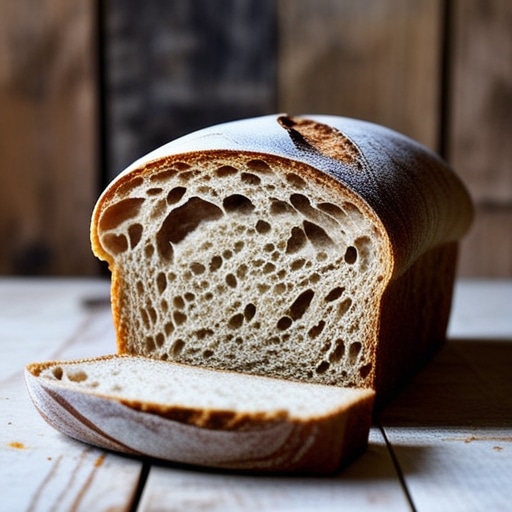
There’s an undeniable magic in homemade bread, a sensory experience that awakens memories and creates new ones. And in the world of artisanal baking, sourdough reigns supreme, bringing unparalleled depth of flavor and a unique complexity to every bite. But what if you could harness that sourdough magic for a breakfast staple that’s often relegated to the freezer aisle? Enter Sourdough English Muffins – a revelation that promises to elevate your breakfast game from mundane to magnificent.
Forget the dry, characterless discs of store-bought varieties. These homemade beauties offer a superior flavor and texture that truly shine. Crafted with a live sourdough starter, they boast a subtle tang, a wonderfully chewy crumb, and those iconic, cavernous “nooks and crannies” perfect for catching butter and jam. Beyond their incredible taste, embarking on this baking journey offers numerous benefits: from enhancing gut health through natural fermentation to the sheer satisfaction of creating delicious homemade breakfast bread right on your griddle. Get ready to discover your new favorite griddle bread recipes and impress everyone with these delightful, fermented breakfast ideas.
What Sets Sourdough English Muffins Apart?
The distinction between ordinary English muffins and their sourdough counterparts is profound, rooted in the very essence of their creation. It’s a tale of ancient fermentation meeting modern culinary desires.
Wild Yeast vs. Commercial Yeast
Unlike conventional English muffins that rely on commercial yeast for a quick rise, Sourdough English Muffins derive their leavening power from a vibrant sourdough starter. This means wild yeasts and beneficial bacteria, meticulously cultivated in your starter, are at play. This natural fermentation process slowly works its magic, breaking down starches and sugars in the flour, resulting in a significantly more complex flavor profile – a subtle tanginess that perfectly complements the rich, toasted notes developed on the griddle.
Texture Profile
The texture of these muffins is truly something to behold: a crisp, slightly golden exterior gives way to an interior that is remarkably soft, airy, and chewy. This characteristic tenderness, combined with a satisfying chew, is a direct result of the long fermentation. The extended period allows for greater gluten development, creating a strong yet elastic network that traps gases, leading to that coveted open, airy structure.
Digestibility
One of the most compelling benefits of sourdough baking lies in its impact on digestibility. The long fermentation time, powered by lactic acid bacteria, helps to break down gluten and phytic acid present in the flour. This process makes the nutrients in the grains more bioavailable and the bread itself easier on the digestive system for many people. It’s a delicious way to enjoy fermented breakfast ideas without compromise.
The Science of Nooks and Crannies
The hallmark of any great English muffin is its honeycomb interior – those glorious English muffin nooks and crannies. Achieving this delightful texture isn’t accidental; it’s a careful dance of hydration, heat, and a touch of chemical reaction.
Hydration is Key
A higher hydration dough, meaning one with a greater ratio of water to flour, is crucial for developing these internal pockets. A wetter dough creates a more extensible gluten network that can stretch and expand more readily, trapping steam during cooking. This steam is what creates those desirable air pockets, contributing to the open, airy structure.
Griddle Cooking
The unique cooking method on a griddle or cast iron skillet baking surface plays a vital role. When the dough hits the hot surface, the direct heat rapidly sets the bottom crust, preventing further expansion downwards. Simultaneously, the internal moisture in the dough turns to steam, which, having nowhere to go but up and sideways, pushes against the soft, elastic gluten network, creating and expanding those internal nooks. The relatively lower heat of griddle cooking, compared to an oven, allows for this slow, steady expansion without over-browning too quickly.
The Baking Soda Boost
For an extra lift and even more pronounced English muffin nooks and crannies, many Sourdough English Muffins recipes incorporate a small amount of baking soda. Baking soda, a base, reacts with the natural acidity of the sourdough starter. This acid-base reaction produces carbon dioxide gas, providing an additional burst of leavening that helps create an even more open and airy crumb, further enhancing those signature pockets.
Essential Ingredients
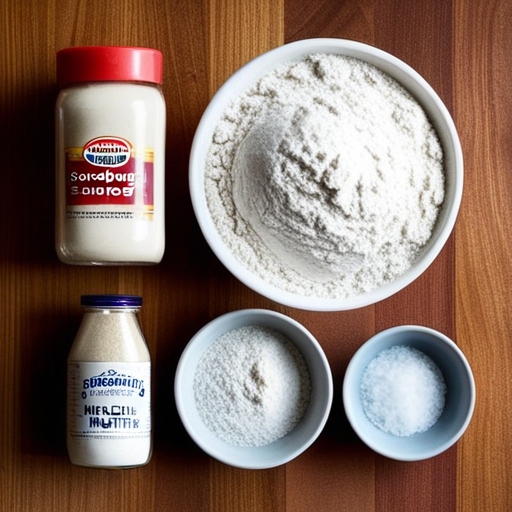
Crafting perfect Sourdough English Muffins requires a few key players, each contributing to their unique flavor and texture.
- Sourdough Starter: This is the heart of your muffins. For a robust rise and tangy flavor, an active, bubbly starter fed 4-12 hours prior is ideal. However, these are also excellent sourdough discard English muffins, offering a fantastic way to use up unfed starter, though the rise might be slightly less vigorous and the flavor milder.
- Flour Choices:
- All-Purpose Flour: Provides a tender crumb and is readily available.
- Bread Flour: Higher protein content leads to a chewier texture and stronger gluten development.
- Whole Wheat Flour: For those seeking the nutritional benefits and nutty flavor of whole wheat sourdough English muffins, it can be incorporated (see Variations).
- Liquids:
- Milk: Adds richness and contributes to a wonderfully soft crumb.
- Dairy-Free Alternatives: For dairy-free English muffins, unsweetened almond milk, soy milk, or oat milk work beautifully, maintaining tenderness without the dairy.
- Water: Can be used for a crisper crust and simpler flavor.
- Fats & Sweeteners:
- Melted Butter: Enhances flavor and richness, resulting in a more tender crumb.
- Honey or Sugar: A touch of sweetener aids in browning and provides a subtle flavor balance.
- Salt: Essential for flavor and controlling fermentation.
- Baking Soda: As mentioned, this provides an extra lift due to its reaction with the sourdough’s acidity.
- The Dusting Agent: Cornmeal or fine semolina is crucial. Dusting your work surface and proofing trays with these prevents sticking and provides that signature exterior crunch and texture.
Equipment Needed
While the process is rustic, a few key pieces of equipment will make your Sourdough English Muffins journey smoother and more successful.

- Digital Scale: For unparalleled precision in measuring ingredients. Baking by weight is always recommended for sourdough.
- Cast Iron Skillet or Electric Griddle: Absolutely essential for even heating and proper cooking of these griddle bread recipes. A heavy-bottomed pan will also work, but cast iron provides superior heat retention.
- 3-inch Biscuit Cutters or Wide-Mouth Jar Rings: To create uniformly shaped muffins.
- Large Mixing Bowl & Dough Scraper: For mixing and managing sticky dough.
- Rolling Pin: To achieve even dough thickness.
- Baking Sheets & Parchment Paper (or Silicone Mats): For proofing the cut muffins.
- Instant-Read Thermometer (Optional but Recommended): For checking internal temperature to ensure thorough cooking (target 200°F / 93°C).
Step-by-Step Instructions
1. Preparing the Leaven
Start by feeding your sourdough starter 4-12 hours before you plan to mix the dough. Use the ratio specified in your sourdough starter recipes to ensure it’s active and bubbly. Your starter should be at its peak — frothy, with many visible bubbles, and smelling pleasantly yeasty and tangy. To test for ripeness, perform a float test: drop a small spoonful of starter into a bowl of water; if it floats, it’s ready.
2. Mixing the Dough
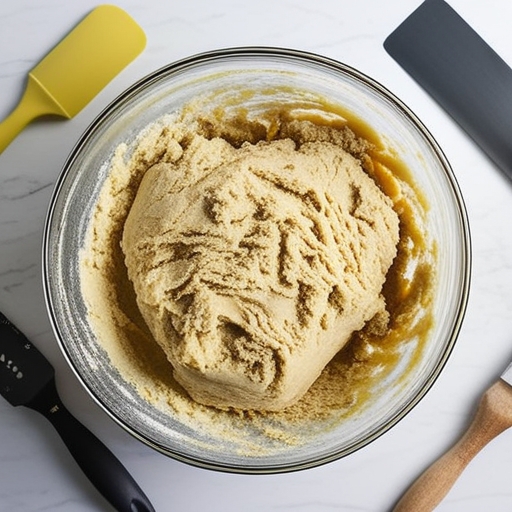
In a large bowl, whisk together the active sourdough starter, warm milk (or dairy-free alternative), melted butter, and honey/sugar. In a separate bowl, combine the flour, salt, and baking soda. Gradually add the dry ingredients to the wet, mixing with a wooden spoon or your hands until a shaggy dough forms. Turn the dough out onto a lightly floured surface and knead for 8-10 minutes until it becomes smooth and elastic. The dough will be quite soft and sticky initially; resist the urge to add too much extra flour. Place the kneaded dough in a lightly oiled bowl, cover, and let it rest.
3. Bulk Fermentation
This is the first rise, where the sourdough works its magic. Allow the dough to bulk ferment at room temperature (68-75°F / 20-24°C) for 4-8 hours. The exact timing will depend heavily on the strength of your starter and your ambient temperature. During this time, the dough should noticeably increase in size, becoming puffy and exhibiting a domed top. You can perform a few ‘stretch and folds’ every hour or so for the first 2-3 hours to help develop gluten and even out the fermentation.
4. Shaping and Second Rise
Once your dough has completed its bulk ferment, gently turn it out onto a generously cornmeal-dusted surface. Using a rolling pin, roll the dough to about 1/2 to 3/4 inch thickness, being careful not to deflate it too much. Using your 3-inch biscuit cutter or jar ring, press straight down to cut out circles – do not twist the cutter, as this can seal the edges and inhibit nooks and crannies. Place the cut muffins on parchment-lined baking sheets dusted with more cornmeal, ensuring some space between them. Cover loosely with plastic wrap and let them proof for another 1-2 hours, or until they look slightly puffy and light.
5. The Griddle Method
Preheat your cast iron skillet baking surface or electric griddle to a medium-low temperature (around 300°F – 325°F / 150°C – 160°C). This is crucial for griddle bread recipes; too high, and they’ll burn before cooking through. Cook the muffins for 5-7 minutes per side, or until deeply golden brown and cooked through. The key is to cook them low and slow, allowing them to expand and steam on the inside. You can check for doneness by inserting an instant-read thermometer into the side of a muffin; it should register 200°F (93°C). If they are browning too quickly, lower the heat.
Tips for Success
A few expert tricks can make all the difference in achieving bakery-quality Sourdough English Muffins.
- Managing Sticky Dough: Sourdough dough, especially for English muffins, is often quite wet. If it’s too sticky to handle, try using wet hands or a bench scraper dusted with cornmeal instead of flour. A light dusting of cornmeal on your work surface helps immensely.
- Temperature Control: Over-browning the outside while leaving a gummy center is a common pitfall. If your muffins are browning too quickly, reduce the heat. If after achieving a beautiful golden crust, the internal temperature isn’t 200°F (93°C), transfer them to a preheated 300°F (150°C) oven for 5-10 minutes to finish cooking through.
- Fork Splitting: This is the non-negotiable technique for preserving those glorious English muffin nooks and crannies! Never slice an English muffin with a knife. Instead, gently pierce around the circumference with a fork, then pull the halves apart. This rough separation creates more surface area for butter, jam, or whatever delicious toppings you choose.
Variations
Once you’ve mastered the basic recipe, the possibilities for customization are endless!
- Whole Wheat: For whole wheat sourdough English muffins, substitute up to 50% of the all-purpose flour with whole wheat flour. You might need to adjust hydration slightly, as whole wheat flour absorbs more liquid. Add a tablespoon or two of extra liquid if the dough seems too stiff.
- Cinnamon Raisin: During the mixing stage, add 1/2 cup of plump raisins and 1-2 teaspoons of ground cinnamon. A pinch of nutmeg can also be a delightful addition.
- Savory Herbs: Incorporate 1/4 cup of chopped fresh chives or other herbs like rosemary or thyme, and 1/2 cup of shredded sharp cheddar cheese during the final stages of mixing for a savory twist.
- Overnight Cold Ferment: For a deeper, more pronounced sour flavor and increased convenience, retard the dough in the fridge after bulk fermentation. After mixing, place the covered bowl in the refrigerator for 8-24 hours. The cold slows down fermentation, allowing flavors to develop further. Bring to room temperature for about an hour before shaping and proofing. This is an excellent method for overnight sourdough English muffins.
Storage and Reheating
Proper storage ensures your homemade muffins remain fresh and delicious for as long as possible.

- Room Temperature: Store cooled Sourdough English Muffins in an airtight container or a sealed plastic bag at room temperature for 2-3 days.
- Freezing: For longer storage, slice the muffins in half (using the fork-split method!) before freezing. Arrange them in a single layer on a baking sheet to freeze solid, then transfer to a freezer-safe bag or container. They will keep well for up to 3 months, ready for quick toaster access.
- Reheating: The best way to restore their crispness and warmth is to toast them directly from fresh or frozen. A toaster, toaster oven, or even a hot griddle will bring them back to life beautifully.
Serving Suggestions
With their perfectly textured interiors and delicate tang, these muffins are a versatile base for countless breakfast and brunch creations.
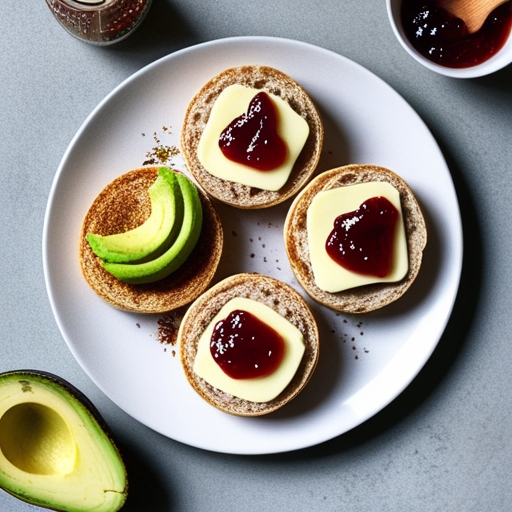
- Classic Butter and Jam: The ultimate simple pleasure. The nooks and crannies are perfect for capturing melted butter and your favorite fruit preserves.
- Eggs Benedict Foundation: An unparalleled base for a luxurious Eggs Benedict, providing a sturdy yet tender foundation for poached eggs and hollandaise.
- Ultimate Sourdough Breakfast Sandwiches: Layer with scrambled eggs, cheese, and your favorite breakfast meats for a hearty start to your day.
FAQ
Can I use sourdough discard?
Yes, you can! Sourdough discard English muffins are a fantastic way to use unfed discard. Keep in mind that the rise might be less vigorous compared to using active starter, and the flavor slightly milder. You may need to extend the bulk fermentation time slightly to achieve the desired rise.
Why are my muffins flat?
Several factors can lead to flat muffins:
- Inactive Starter: Ensure your sourdough starter is very active and bubbly when you mix the dough.
- Under-Proofing: The dough needs sufficient time to rise during both bulk fermentation and the second proofing stage. Look for a visibly puffy, airy dough.
- Over-Handling: Be gentle when shaping to avoid deflating the precious air bubbles.
- Too Much Flour: A dry dough won’t expand well. Ensure proper hydration.
Can I bake these in the oven instead of a griddle?
While you can finish them in the oven (especially if they’re browning too fast on the griddle), the characteristic nooks and crannies and signature griddled crust are best achieved by starting them on a hot griddle or skillet. Baking them entirely in the oven would yield a texture closer to a soft roll than a traditional English muffin.
Conclusion
Creating your own Sourdough English Muffins is more than just a recipe; it’s a journey into the heart of artisanal baking, a testament to the power of natural fermentation, and a truly rewarding culinary experience. From the satisfaction of watching your starter bubble to life, to the delightful aroma filling your kitchen as they cook on the griddle, every step is a joy. The superior flavor, irresistible texture, and those perfect English muffin nooks and crannies will make you wonder why you ever bought them from the store.
So, fire up that griddle, gather your ingredients, and embark on this delicious adventure. Don’t be afraid to experiment with different toppings, jams, or even savory fillings. Your homemade breakfast spread is about to get a serious upgrade!

Homemade Sourdough English Muffins
Ingredients
- 1 cup active sourdough starter fed and bubbly (approx. 227g)
- 1 cup whole milk warmed to 110°F (approx. 240ml)
- 2 tbsp unsalted butter melted
- 1 tbsp sugar or honey
- 3 cups all-purpose flour approx. 360g
- 1 tsp fine sea salt
- 1/2 cup cornmeal for dusting (or semolina)
Instructions
- In a large mixing bowl, whisk together the active sourdough starter, warm milk, melted butter, and sugar until well combined.
- Add the flour and salt to the wet mixture. Mix until a shaggy dough forms, then knead by hand or with a stand mixer for about 5 minutes until the dough is smooth and elastic.
- Place the dough in a lightly greased bowl, cover with plastic wrap or a damp cloth, and let it rise at room temperature for 4 to 6 hours, or until doubled in size.
- Turn the dough onto a surface generously dusted with cornmeal. Gently pat the dough out to about 1/2-inch thickness, being careful not to deflate all the air bubbles (do not use a rolling pin).
- Use a 3-inch biscuit cutter or wide-mouth jar ring to cut out muffins. Press straight down without twisting to ensure proper rise. Re-roll scraps gently if necessary.
- Place the cut muffins on a baking sheet dusted with cornmeal. Sprinkle the tops with more cornmeal. Cover loosely and let them rise for another 30 to 45 minutes until puffy.
- Preheat a cast-iron skillet or griddle over low heat (aim for 300°F-325°F). Cook the muffins for about 6-8 minutes on the first side until golden brown.
- Flip the muffins and cook for another 6-8 minutes on the other side. If they brown too quickly, finish them in a 350°F oven for 5-10 minutes to ensure the center is cooked through (internal temp should reach 200°F).
- Transfer the cooked muffins to a wire rack to cool completely. Once cool, split open with a fork to reveal the nooks and crannies.
For more daily recipes and tips, follow us on Facebook!
Click here to join our community!