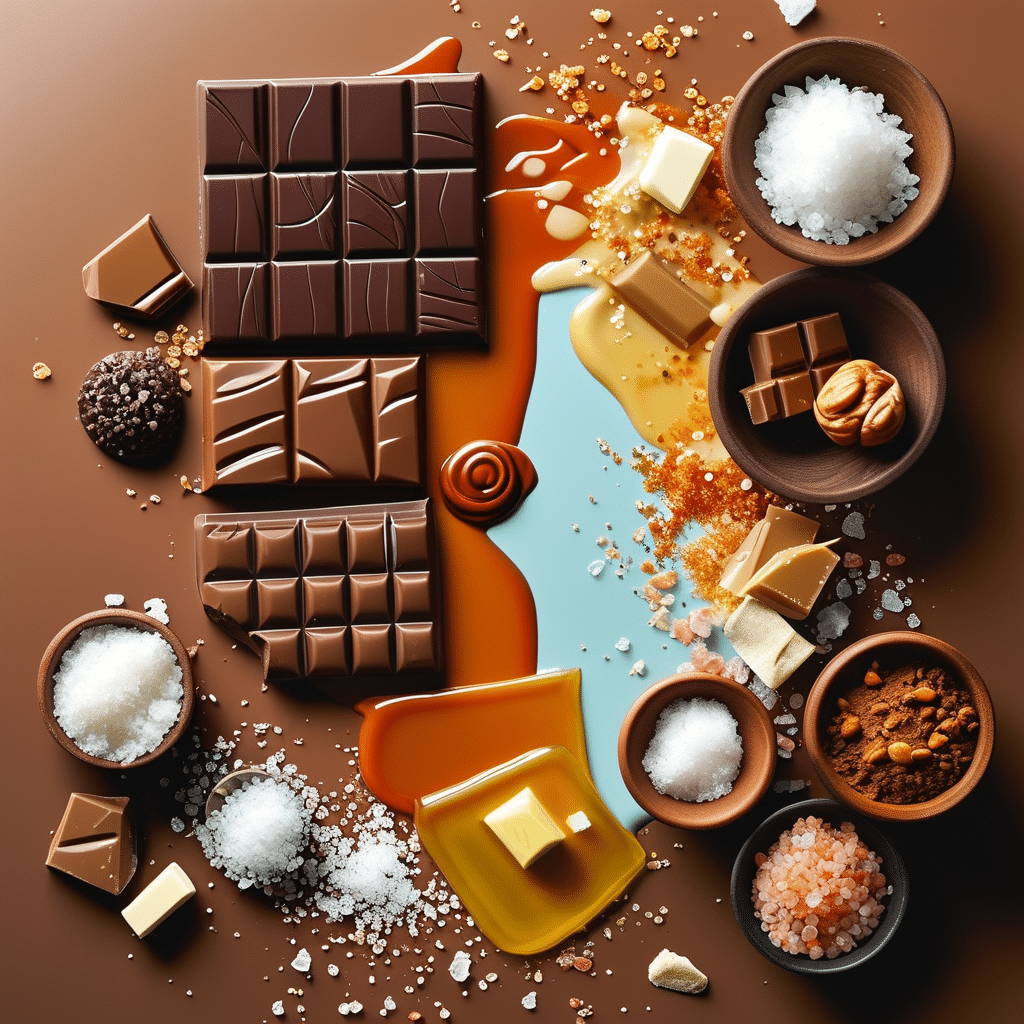
There’s an undeniable magic that happens when seemingly opposing forces meet on our plates. It’s the delightful jolt, the unexpected harmony, the way a single bite can engage every part of your palate. This captivating interplay is at the heart of what makes Sweet and Salty Flavors so universally beloved. From the simplest snack to the most gourmet dish, the dance between sugary sweetness and piquant saltiness creates a unique culinary balance that leaves us craving more.
This phenomenon isn’t just about mixing two ingredients; it’s about a sophisticated flavor layering effect that elevates ordinary food into an extraordinary experience. We’re going to dive deep into the science, history, and culinary artistry behind these irresistible combinations, exploring why our taste buds are so wired to appreciate them. Get ready to awaken your senses, as we journey through iconic pairings, global inspirations, and even share a truly special beef short ribs recipe that perfectly embodies this tantalizing profile.
The Science Behind Sweet and Salty Flavors
Our appreciation for sweet and salty isn’t merely a matter of personal preference; it’s deeply rooted in our biology and evolutionary history. Understanding the science helps us unlock the secrets to creating truly compelling dishes.
How Taste Buds Work
Our tongues are covered in thousands of taste buds, each containing specialized cells that detect different taste qualities: sweet, sour, salty, bitter, and umami. When it comes to the synergy between sweet and salty, a remarkable interplay occurs. Sodium, the primary component of salt, doesn’t just register as salty; it actively enhances other flavors, especially sweetness.
Recent scientific discoveries have shed light on the SGL1 receptor, a glucose cotransporter located on our taste cells. While primarily known for absorbing sugars in the intestine, its presence on the tongue indicates a fascinating connection. When sodium ions are present, they can activate or modulate SGL1, making sweet compounds taste even sweeter. This interaction creates what chefs call the flavor layering effect, where salt brightens and amplifies the sugary notes, allowing both to shine more intensely than they would on their own. This phenomenon explains why a pinch of salt can make fruit taste juicier and a dessert more decadent, creating a complex and satisfying sensory satiety.

Evolutionary Perspective
Our prehistoric ancestors played a significant role in wiring our brains to crave both sugar and salt. Sweetness signaled high-energy foods, rich in carbohydrates necessary for survival. Salt, on the other hand, indicated the presence of vital minerals and electrolytes, crucial for bodily functions. The simultaneous detection of these two essential nutrients triggered a powerful positive response in the brain.
When we consume foods that combine these elements, our brains release dopamine, a neurotransmitter associated with pleasure and reward. This neurochemical response reinforces the desire for these specific sweet and savory combinations, driving us to seek them out repeatedly. This ancient craving continues to influence our modern palates, making sweet and salty flavors a deeply satisfying experience that taps into our innate biological programming.
Iconic Sweet and Salty Combinations
The timeless appeal of sweet and salty flavors is evident in a myriad of beloved dishes and snacks across cultures. These combinations are a testament to the powerful effect of flavor contrast science.
Classic Snacks
- Chocolate-Covered Pretzels and Popcorn: The crisp, briny snap of pretzels or the fluffy texture of popcorn against rich, sweet chocolate is a match made in heaven. The salt cuts through the sweetness, preventing it from becoming cloying, and keeps your taste buds engaged.
- Salted Caramel Variations: Perhaps the most iconic modern example of a salted caramel profile. The deep, buttery sweetness of caramel is dramatically uplifted by a sprinkle of sea salt, creating an irresistible depth and complexity that has taken the dessert world by storm.
- Peanut Butter and Jelly: While often overlooked as a sweet and salty pairing, the slightly savory, nutty notes of peanut butter, often enhanced with a pinch of salt, perfectly balance the fruit-forward sweetness of jelly. It’s a comforting classic that hits all the right taste bud receptors.
Sophisticated Pairings
Beyond snacks, chefs and home cooks alike have long harnessed the power of sweet and salty flavors in more refined dishes.
- Prosciutto and Melon: A classic Italian appetizer, the delicate sweetness and refreshing juiciness of ripe melon provide a perfect counterpoint to the intensely savory, slightly salty notes of thinly sliced prosciutto. This pairing exemplifies elegant culinary balance.
- Cheddar Cheese and Apple Pie: A traditional British and American combination, the sharp, tangy saltiness of cheddar cheese beautifully complements the sweet, spiced apples and buttery crust of a pie. The cheese’s fat also provides a wonderful mouthfeel contrast.
- Blue Cheese with Honey: The pungent, earthy, and often salty notes of a robust blue cheese find their ideal partner in the delicate, floral sweetness of honey. This creates a luxurious umami and sweet pairing that is both bold and harmonious, offering true sensory satiety.
Global Culinary Inspirations
The universal appreciation for sweet and salty flavors transcends borders, with diverse cuisines offering their unique interpretations of this compelling combination.

Asian Influence
- Teriyaki and Sweet Soy Glazes: A cornerstone of Japanese cuisine, teriyaki sauce masterfully blends soy sauce (salty and umami) with mirin, sake, and sugar (sweet), creating a deeply flavorful glaze for everything from chicken to salmon. These sweet and savory combinations are incredibly versatile.
- Korean BBQ Profiles: Korean marinades, often featuring soy sauce, garlic, ginger, and sesame oil, are frequently sweetened with brown sugar, honey, or fruit purées. This creates a robust and complex profile that is both savory and subtly sweet, highlighting a magnificent flavor contrast science that results in unforgettable dishes like bulgogi.
Western Favorites
- Maple-Cured Bacon: The process of curing bacon with maple syrup infuses it with a delightful sweetness that plays off its inherent saltiness and smoky notes. It’s a breakfast staple that perfectly showcases the irresistible allure of sweet and salty flavors.
- Chicken and Waffles: This Southern American classic combines the savory, often spicy crunch of fried chicken with the fluffy sweetness of waffles, typically drizzled with maple syrup. The unexpected yet harmonious pairing delivers a powerful punch of both flavor and texture.
Cooking with Balance: Tips and Techniques
Mastering sweet and salty flavors in your own kitchen is about understanding how to create and maintain culinary balance. It’s not just about adding sugar and salt; it’s about thoughtful application.
To achieve that perfect equilibrium, consider these techniques:
- Using Acid to Bridge the Gap: A touch of acidity, whether from a squeeze of lemon juice, a splash of vinegar, or even a dash of hot sauce, can act as a crucial bridge between sweet and salty elements. Acid brightens flavors, cuts through richness, and prevents a dish from becoming one-note, helping to enhance the flavor layering effect.
- Temperature Contrast: Think beyond just taste. The interplay of hot and cold can amplify your experience of sweet and salty flavors. A warm, gooey brownie topped with cold, salty ice cream creates a dynamic sensation that engages more than just your taste bud receptors.
- Texture Considerations: Texture adds another layer of complexity. The crunch of flaky sea salt on a smooth, sweet chocolate bar, or crispy fried onions over a sweet potato casserole, provides textural excitement that complements the flavor contrast. This multi-sensory approach contributes significantly to sensory satiety.
“The secret to truly memorable food often lies not in exotic ingredients, but in the intelligent interplay of fundamental tastes. Sweet and salty is a primordial symphony that, when conducted with care, creates pure culinary magic.”
Featured Recipe: Sweet and Salty Glazed Beef Short Ribs
Few dishes encapsulate the magic of sweet and salty flavors as beautifully as tender, slow-cooked Sweet and Salty Glazed Beef Short Ribs. The rich, beefy notes provide a perfect canvas for a complex glaze that marries deep sweetness with savory elements.
Beef short ribs are an ideal choice for this profile because their inherent richness and marbled fat render down beautifully during slow cooking, absorbing and melding with the glaze. This creates a deeply infused flavor that goes beyond surface-level seasoning. The long, gentle cooking process breaks down connective tissues, resulting in incredibly tender meat that practically melts in your mouth, carrying every nuance of the sweet and salty marinade.

The importance of slow cooking for flavor infusion cannot be overstated. Whether braising, slow-roasting, or using a slow cooker, the extended time allows the sugars, salts, acids, and aromatics in the glaze to penetrate the meat thoroughly. This leads to a harmonious and profound flavor profile that embodies culinary balance, making each bite of this beef short ribs recipe a symphony of tastes that awakens your taste bud receptors.
Health Considerations
While the allure of sweet and salty flavors is undeniable, it’s important to enjoy them mindfully. Our bodies need both sugar and sodium, but moderation is key for overall health.
Managing Sodium and Sugar Intake
Many processed foods expertly combine sweet and salty elements to be highly palatable, often leading to overconsumption. Be mindful of hidden sugars and sodium in packaged goods. Opt for fresh, whole ingredients when possible, and season your food yourself, allowing you to control the exact amounts.
Healthy Alternatives
You can still enjoy the delicious contrast of sweet and salty flavors with healthier choices. Consider pairings like:
- Fruit and Nut Pairings: Dates or dried apricots with a sprinkle of sea salt and a handful of almonds.
- Dark Chocolate and Sea Salt: A small square of high-quality dark chocolate with a pinch of flaky sea salt satisfies cravings without excessive sugar.
- Roasted Vegetables with a Glaze: Brussels sprouts or carrots roasted with a touch of maple syrup and a generous seasoning of salt can be incredibly satisfying.
The role of moderation is crucial. Enjoy these delightful combinations as part of a balanced diet, savoring the richness and complexity without overdoing it.

Frequently Asked Questions
Let’s address some common questions about sweet and salty flavors and their unique impact on our palates.
Q: Why does salt make fruit taste sweeter?
A: Salt enhances the perception of sweetness in fruit primarily through two mechanisms: it suppresses bitterness, allowing the fruit’s natural sugars to shine, and sodium ions can interact with sweetness receptors, like the SGL1 receptor, making sweet compounds taste more intense. This creates a stronger flavor layering effect.
Q: What are healthy sweet and salty snacks?
A: Healthy sweet and salty snacks include a handful of almonds or walnuts with a sprinkle of sea salt and a few dried cranberries, apple slices with a thin layer of salted peanut butter, or roasted chickpeas seasoned with a touch of honey and salt. These offer satisfying sweet and savory combinations without excessive processing.
Q: How do I fix a dish that is too sweet or too salty?
A: To fix a dish that is too sweet, add a touch of acidity (lemon juice, vinegar), bitterness (cocoa powder, coffee), or savory elements (a pinch of salt, herbs) to create more culinary balance. If a dish is too salty, you can add unseasoned ingredients (like potatoes or rice to absorb salt), a splash of cream or fat, or some sweetness or acidity to balance the intensity.
Conclusion
The interplay of sweet and salty flavors is a profound testament to the complexity and joy of eating. It’s a primal delight, deeply embedded in our biology, and endlessly fascinating from a culinary perspective. Whether you’re a seasoned chef or a home cook, understanding the science and art behind these irresistible sweet and savory combinations opens up a world of possibilities.
Don’t be afraid to experiment! A sprinkle of sea salt on your next chocolate chip cookie, a dash of sugar in your savory marinade, or trying our beef short ribs recipe – each exploration deepens your appreciation for flavor contrast science. Embrace the adventure, trust your taste bud receptors, and discover the boundless creativity that lies in the harmony of opposites. Happy cooking, and remember to follow us for more delicious insights and recipes at https://www.facebook.com!
Sweet and Salty Glazed Beef Short Ribs
Ingredients
- 4 lbs Bone-in beef short ribs Meaty and well-marbled
- 1/2 cup Brown sugar Packed
- 1/3 cup Soy sauce Low sodium preferred
- 2 tbsp Apple cider vinegar
- 1 tbsp Garlic powder
- 1 tbsp Smoked paprika
- 1 tsp Sea salt Plus more for finishing
- 1 tsp Black pepper Freshly ground
- 1 tbsp Vegetable oil
Instructions
- Preheat your oven to 275°F (135°C).
- In a small bowl, mix the brown sugar, garlic powder, smoked paprika, salt, and black pepper.
- Pat the beef short ribs dry with paper towels and rub them generously with the vegetable oil.
- Massage the dry rub mixture onto all sides of the ribs.
- Place the ribs bone-side down in a roasting pan or large baking dish. Cover tightly with aluminum foil.
- Bake in the preheated oven for 3 to 3.5 hours, or until the meat is tender and pulling away from the bone.
- While the ribs bake, whisk together the soy sauce, apple cider vinegar, and any remaining brown sugar rub in a small saucepan. Simmer over medium heat until thickened into a glaze, about 5-7 minutes.
- Remove the ribs from the oven and discard the foil. Brush the ribs generously with the glaze.
- Switch the oven to broil. Broil the ribs for 3-5 minutes, watching closely, until the glaze is bubbly and caramelized.
- Garnish with a pinch of sea salt before serving.
For more daily recipes and tips, follow us on Facebook!
Click here to join our community!